December, 2024.
A Clarification
A friend sent me an e-mail saying he was amazed we drove our motorhome across the Going to the Sun Road. We did not, we drove the pickup. And even that seemed almost too big on some sections of the road. We should have taken the Red Bus.
We did see a long 5th wheel on a narrow road going towards Many Glacier where he should not have been. He was trying to turn around. No shoulders. He had the 5th wheel perpendicular to the road hanging way over not much of anything and the pickup truck aimed the wrong way. We took an alternate route.
Fort Stevens State Park
We have been to Fort Stevens State Park in Oregon before. It is a large park, with several hundred campsites. It is west of Astoria, south of the mouth of the Columbia River, and near the Pacific Coast. Surprisingly, maybe not, it has no laundry. But there is a KOA across the street from the entrance that has a laundry open to all.
There are historic forts here from as far back as the Civil War and up to World War II. Fort Stevens was shelled by a Japanese submarine in the only attack of its kind on mainland USA.
There is a rusting shipwreck on the beach. And there is access to the beach where you can drive down to the beach and drive along the coast on the sand.
And there are pretty good trails for hiking and biking too.
Check out our Blog from the last time we were here.
https://home2rv.com/2017/10/18/fort-stevens-state-park-oregon-summer-2017/
The State Park is just a couple of miles from Warrenton where there is a Costco, a Home Depot, lots of fast food places and other dining choices, and other shopping opportunities.
Not far away is Astoria where there is a very nice Coast Guard museum. The Coast Guard here is famous for saving people who get trapped in the currents and storms at the mouth of the Columbia River.
There is a Canning Factory Museum to celebrate and remember the fishing industry on the Oregon Coast and the Columbia River. It is worth a visit.
The River and Bar Pilots are stationed here too. All ships coming into the Columbia River from the Pacific Ocean, crossing the bar, they call it, and exiting from the Columbia to the Pacific are guided by Pilots who have to transfer from small Pilot Guide boats to the ships, sometimes in terrible weather and sea conditions. All of the ships heading upriver have to have a River Pilot as well.
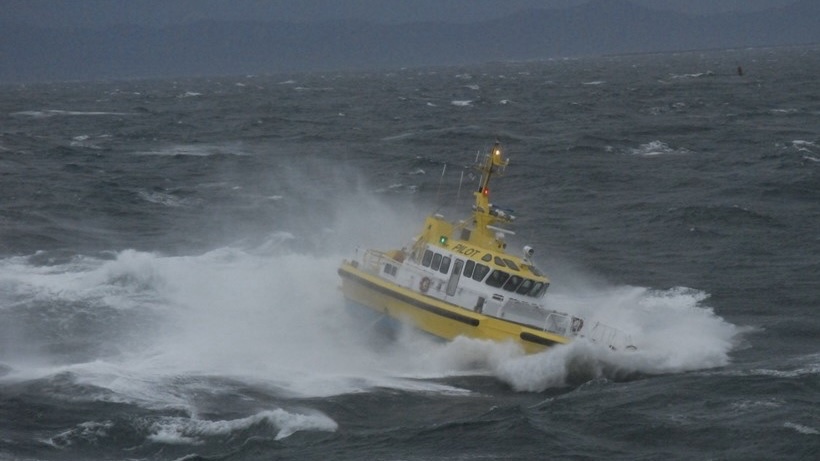
The Bar Pilots are ferried to and from the ships in small boats from which the pilots transfer to the ship.

When the seas are too rough to transfer by boat they will use a helicopter. Either way, it is a tough, important job.
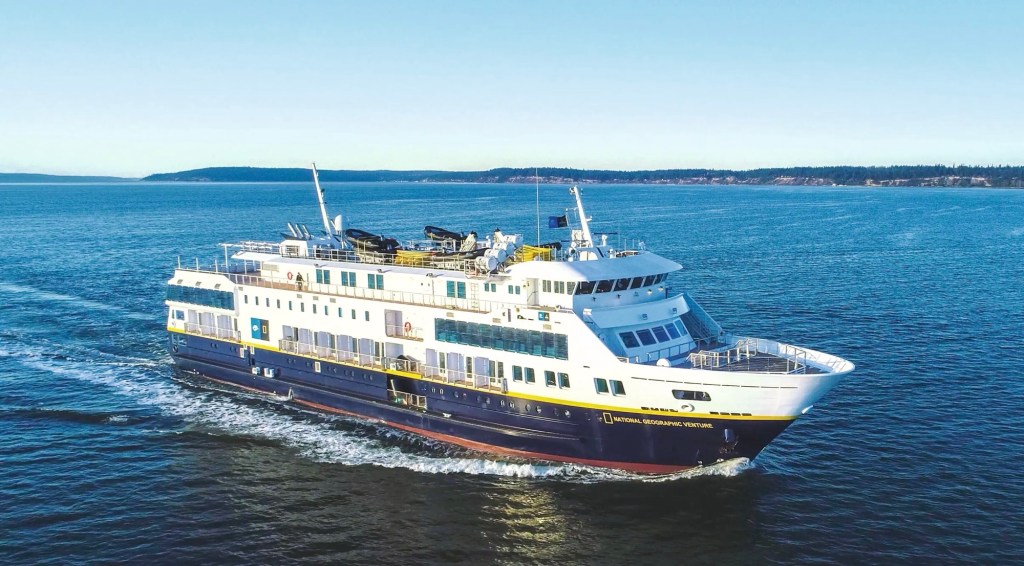
Big cruise ships have a port in Astoria. There are much smaller cruise ships like National Geographic Venture that go to Alaska with only 100 passengers or so. Maybe more my style./
There are also river cruise boats that head upriver towards Umatilla and beyond and bus people to Pendleton.
And of course, there are dozens of really great spots for lunch or dinner and maybe even for that shopping experience you have been craving.
We enjoyed our short but busy time at Ft Stevens. It is a nice stop, the beaches are nice, Astoria is interesting, and there is plenty of Lewis and Clark history in the area as well as the historical aspect of Ft Stevens. If you are going this way the State Park is a good choice.
Our friends from San Diego, Richard, and Betty were delayed a couple of days so rather than meeting them at Ft Stevens as planned we met them at out next stop, Nehalem Bay State Park.
Nehalem Bay State Park
We arrived at Nehalem Bay State Park after an hour’s drive down a twisty, windy 101 from Ft Stevens.
We like Nehalem Bay State Park. It has a couple of hundred campsites with water and 50 amp electric. You have to drive up to the entrance area to dump your waste tanks. There are maybe two dozen Yurts (tent cabins). And like Ft Stevens, no laundry and no store.
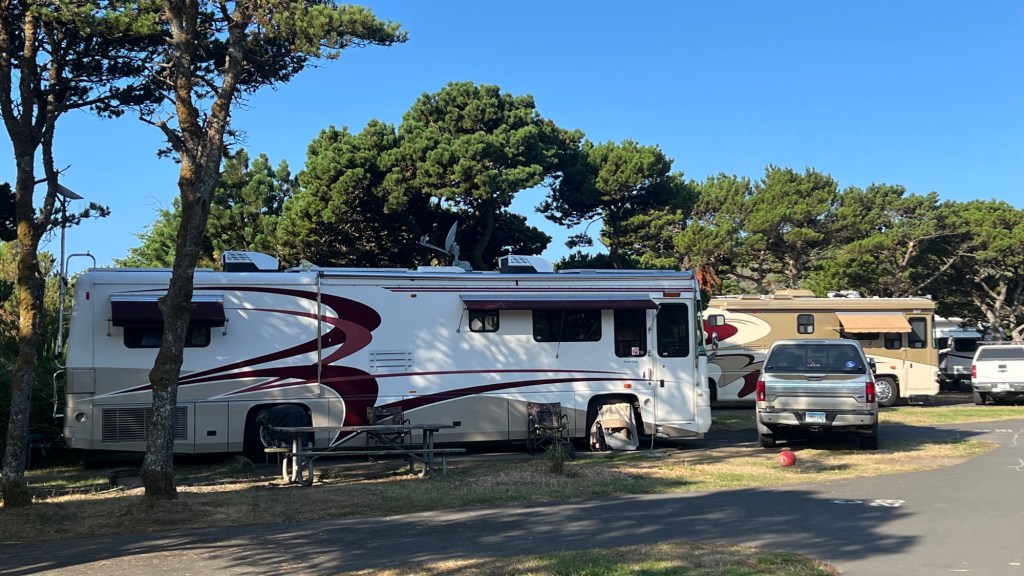
That is us in the foreground and Richard and Betty in the tan coach in the next site. Our DirecTV dish worked where we were. In Richard and Betty’s site the trees were in the way. But our StarLink was working well so we shared our WiFi with them while we were there and they learned the basics of streaming.
The State Park is just south of the small town of Manzanita, OR whose permanent population of about 600 swells to a few thousand with summer visitors. It is close enough that you can walk or bike into town. They have a nice Farmer’s Market, a couple of grocery stores, hardware stores, a lumber yard, and lots of touristy-type stores. Quite a bit for a small town.
There is a Hot Dog stand that has been there for a long time. It started very simply as a way to earn money for a local charity. It is now a big deal, open most of the year, most days of the year. Mostly hot dogs but other lunch stuff too.
Mudd Dogs is a food experience.
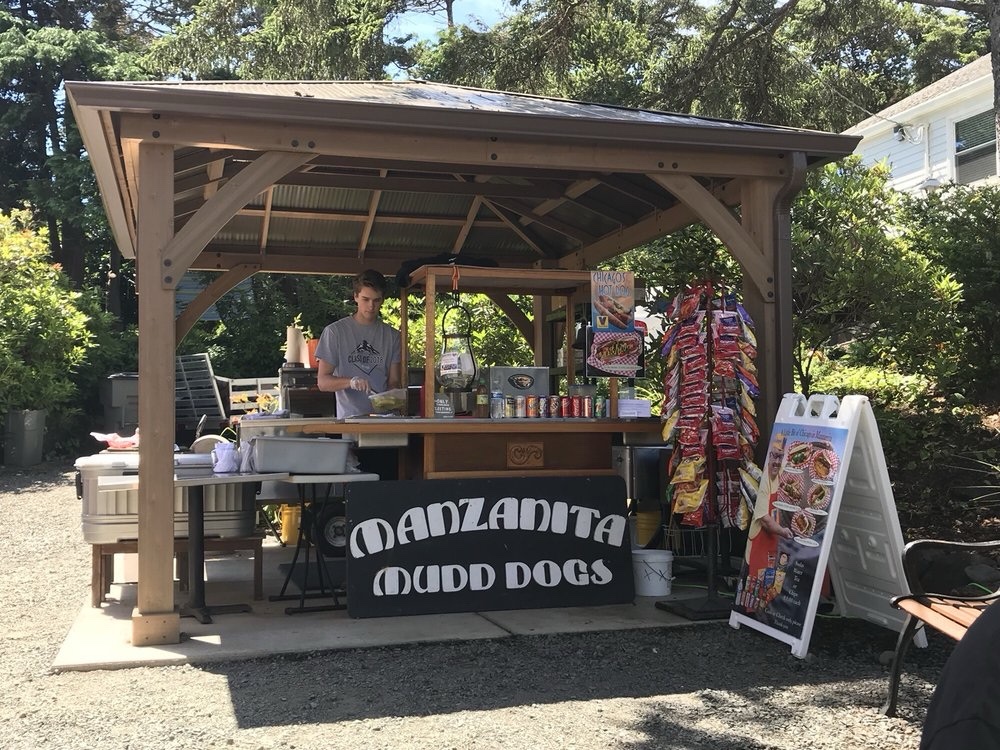

Plain or all gussied up, your choice.

Betty Richard and I (Susan too) ate a dog. Don’t tell Maggie.
The Campground is along side of the beach separated by a long, narrow sand dune. So usually it is up and over the dune to the beach, there are a few places where the dune is very low or not there and you can just walk out to the beach.

Lots of trails up and over the dunes.
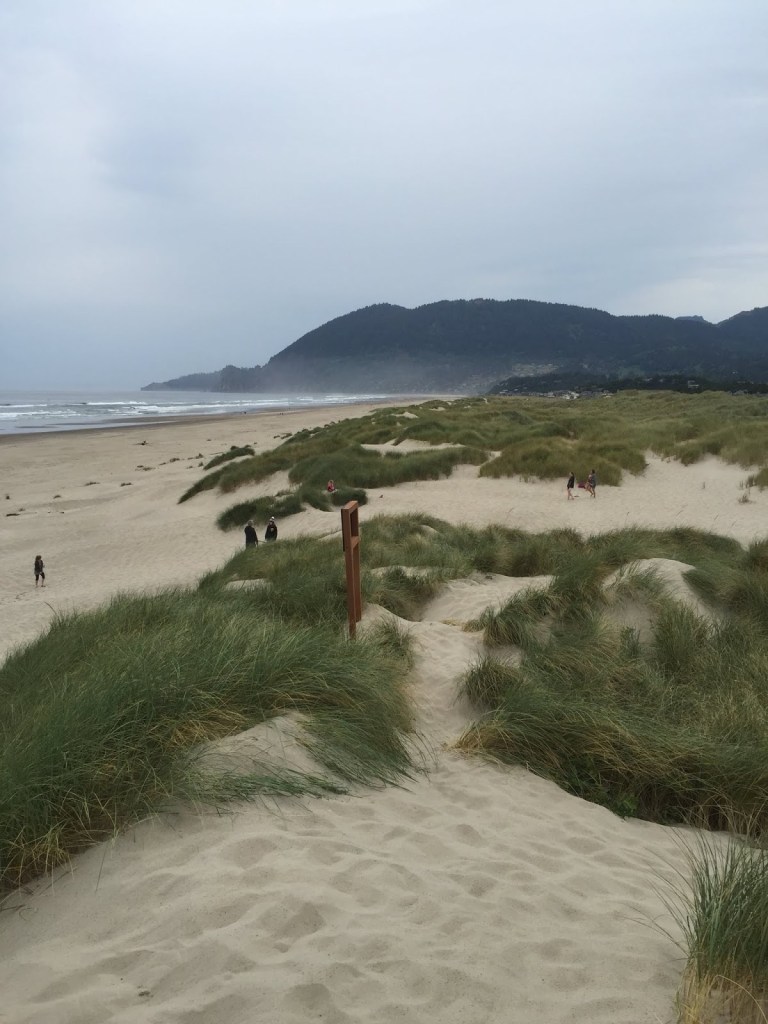
And more along the tops of the dunes. There were signs along the beach side with big numbers so you could find your way home.
The beach is several miles long from Manzanita south to the opening of Nehalem Bay. People ride horses on the beach, fly kites, kite surf and the hearty go swimming, play with the dogs, or just walk. Cars are not allowed on this stretch of beach. We mostly walked and played with the dogs.

You can go on a horse ride for hire. No takers in our group. It might have been fun.

The beach always seems windy. Maggie knows exactly what to do.
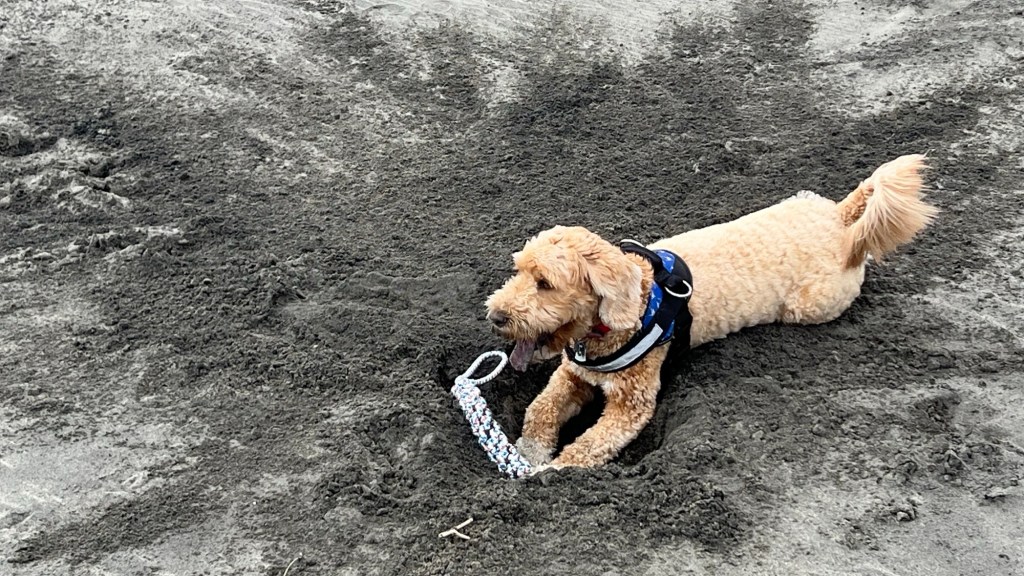
Dig holes, try to hide her toys, and snuggle in for a cool sand nap.
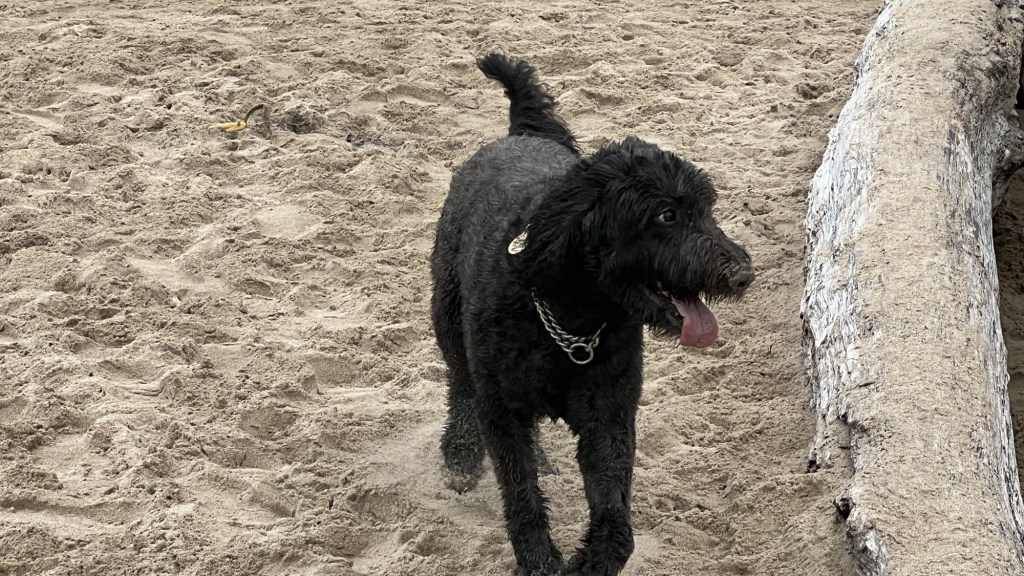
Keiko, Richard, and Betty’s Golden Doodle (they come in all colors and sizes) liked to explore more than dig.


Richard and Betty found a piece of driftwood, take it home maybe? Maybe not.
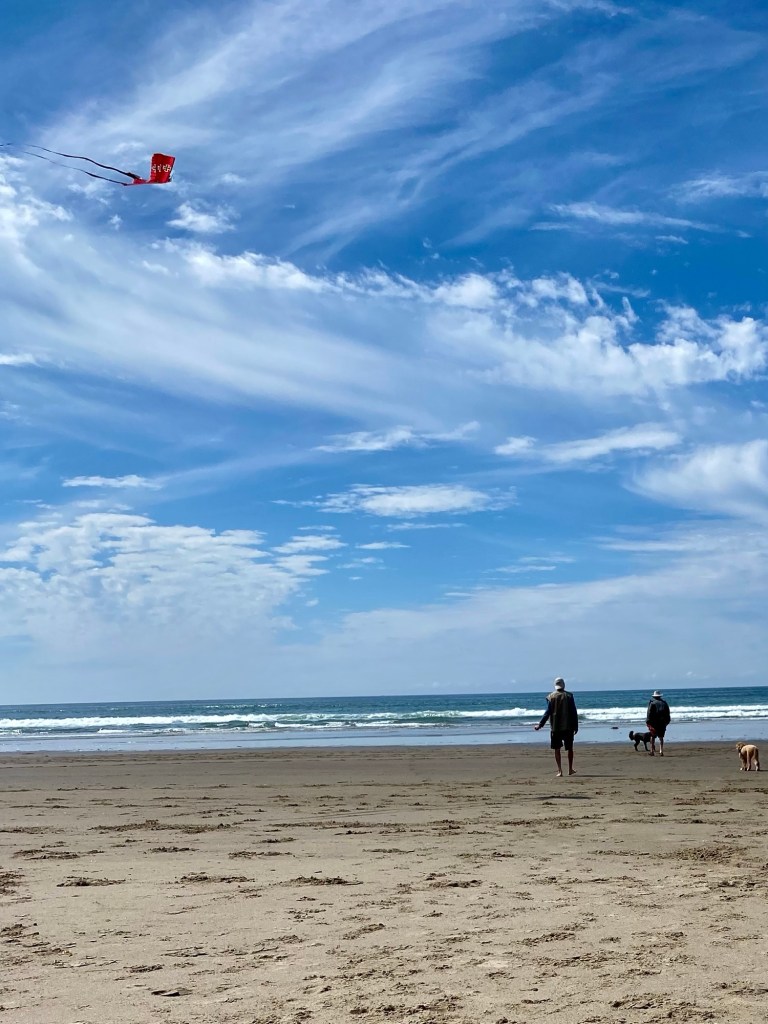
I tried some kite flying, plenty of wind.
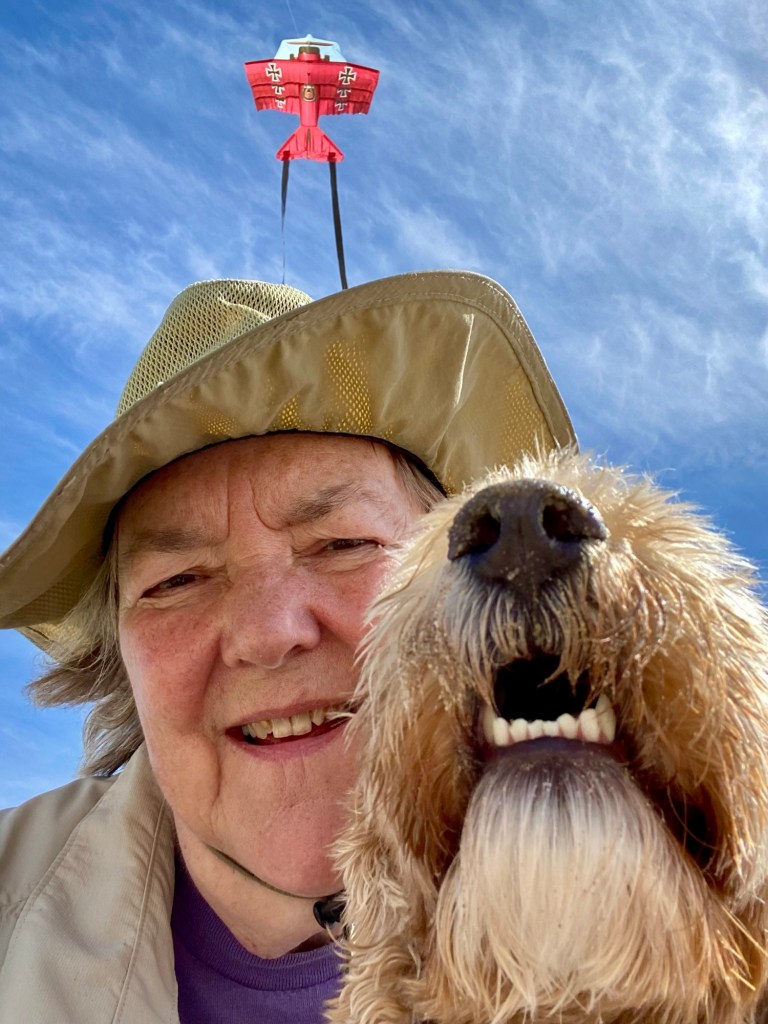
Maggie and Susan kept a close watch.
When you’re on the Oregon coast, Dungeness Crab should be on the menu. Down near the mouth of Nehalem Bay, there is a crab fishery, marina, and campground called Kelly’s. We headed down there with my brother-in-law, Bruce, to buy a bucket of crab so Susan and I and Richard and Betty could go to my sister, Judy, and Bruce’s house for a crab dinner.

There are big tanks with live crabs of different sizes. We chose 4 1-1/2 to 1-3/4 pound crabs for the six of us. They cook them right at the marina and then put them in ice water for a couple of minutes and then clean them. It takes about twenty minutes.
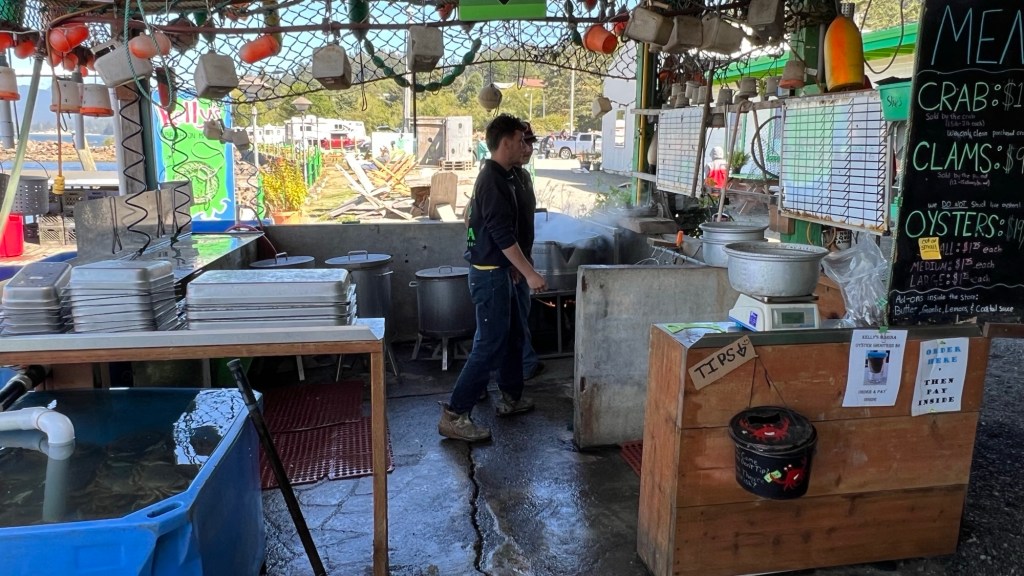

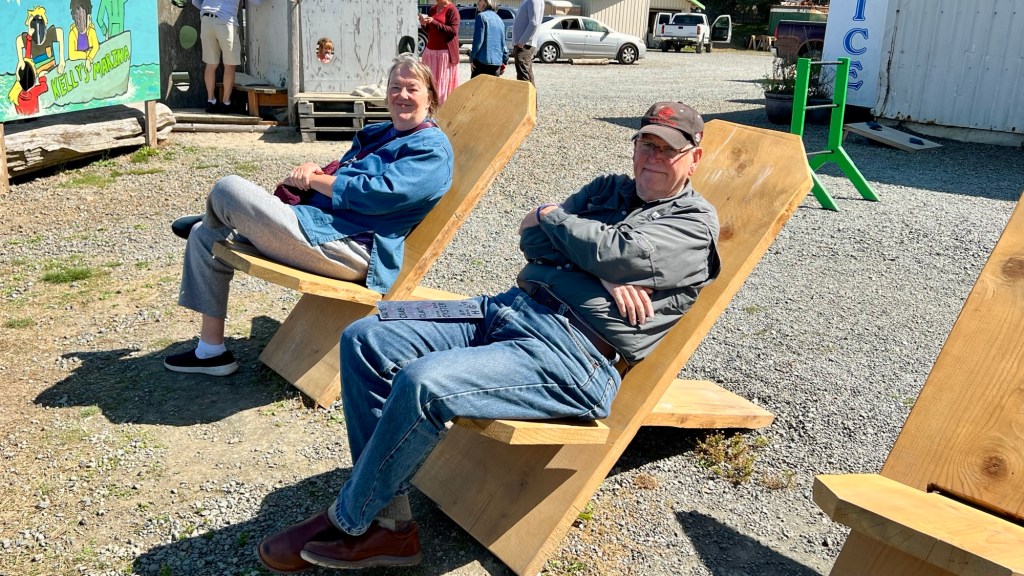
Susan and Bruce waited patiently in the sun.
The ready-to-eat crabs are packed in ice for the short trip to my sister’s for dinner. Everybody brought something so there was plenty to eat. Oh Yum
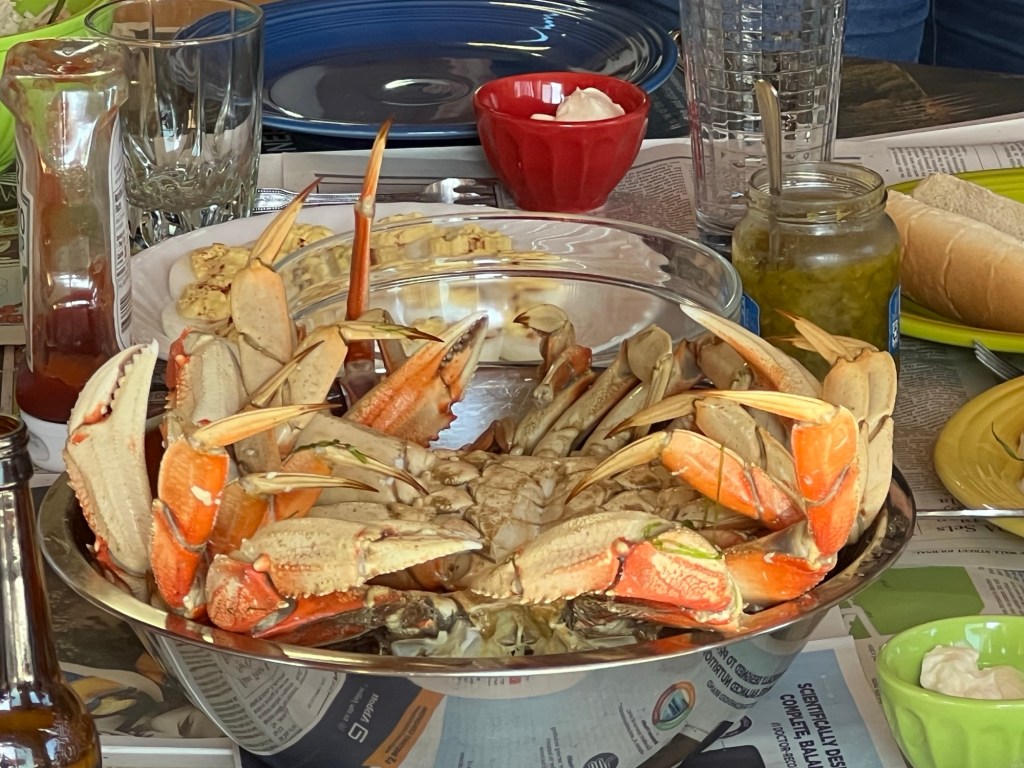
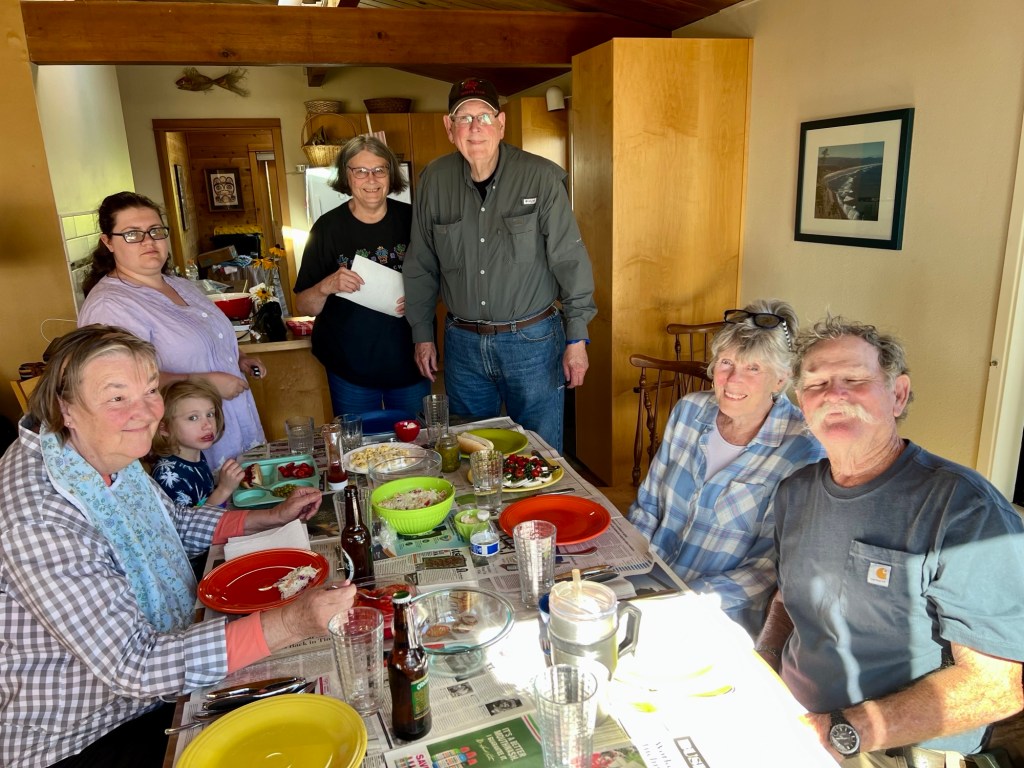
Judy and Bruce’s grand daughter, Victoria, and her son, Ryan joined us. Bowls full of food, empty bowls for the crab shells, and we were ready to eat. So we did.
We had a really nice time with Richard and Betty, it took a while to make it happen and we will try to do it again. One of the best parts of the RV lifestyle is the people you meet, the friends you make, and the memories you make together.
And it was nice to see Judy and Bruce again. It was quite a while since we were last out that way. We had planned on a trip the summer of Covid but that didn’t happen. And we were glad to help them sell their RV. They had fun with it while they had it and it went to a good new home,
So now we start heading to the East and home but all paths between here and home seem to lead to The Grand Teton National Park. At least for us.
Grand Teton National Park
This is a frequent stop for us. We really like a few days at the southern end of the Park at Gros Ventre Campground to get into the town of Jackson and some of the activities at that end of the park. The best place for us is at Colter Bay about 1/2 way from south to north along the east side of Jackson Lake.
There is a National Park campground, an RV campground, a tent cabin campground, and about a hundred log cabins for visitors to stay at. No lodge. We stayed in the RV campground.
The Colter Bay Village has a grocery store, a coffee shop, an ice cream place, a laundry, a pay shower facility, a post office, horseback riding stables, a gift shop, two restaurants, a Park Visitor’s Center with another nice Gift Shop, and a big marina.
Something for everyone. There are canoes, kayaks, and motorboats for rent at the marina as well as guided fishing trips and boat trips out to Elk Island and the far side of Jackson Lake.

And three very nice day hike trails that start and return you right back to the village.
And just 3 miles up the lake, Leek’s Marina is another smaller marina that is popular for its pizza, and rightly so. You could probably walk up there for a pie to go but walking back with one might attract a hungry bear.
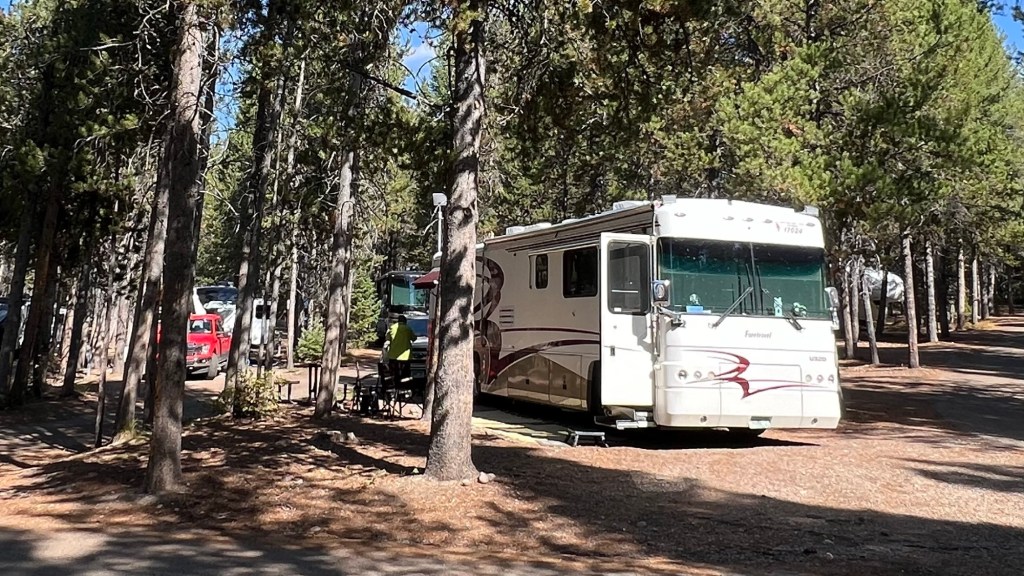
We had a very nice spot in the RV Park. It is generally shady among the tall pine trees. The tall trees limit the use of a TV satellite dish. Our Starlink dish worked pretty well. We were pleased to see very good cell phone coverage here too. With that, we were also able to get internet access using our cellular hotspot.
The last time we were here workers were busy burying fiber optic cable from one end of the park to the other. We didn’t see any signs of cell phone towers so we figured it was just for the Park facilities. A Ranger told me there was a multi-vendor cell tower on a hill to the east of the RV Park. I looked hard and never found it but the cell coverage was very good.
We missed Ralph and Dorris Trotter from Illinois by one day. But we crossed paths with Rich and Peggy Bowman from Ohio while we were there. It was nice to see them again.
Maggie was staying at her first National Park here. While there are many places she can go with us on a leash there are maybe more where she could not. The park rules about pets have changed since we were here with our first dog, Xenia, in 1980. Now she couldn’t go on any trails or the beach. That disappointed us, we were hoping she could go for a swim. But is makes sense, one afternoon on the beach part of it was closed while Park Rangers and Wildlife experts were “hazing” a bear to move north (towards Leek’s Marina!) This was probably the same bear that had walked though the campground right in front of our coach just the day before.
Lake Jackson is a stunning place to spend a later part of the afternoon. The lake is usually calm, people come and go swimming (it is quite cold), and just sit and watch the light on the mountains change in the late day.
On the far side of the lake, there is very little land, the face of the mountains just comes right down into the lake. The mountains and the valley were formed along a fault line, the mountains rose and the valley floor sunk. Jackson Lake is right over the fault line. It is 15 miles long, 7 miles wide, and almost 500 ft deep.
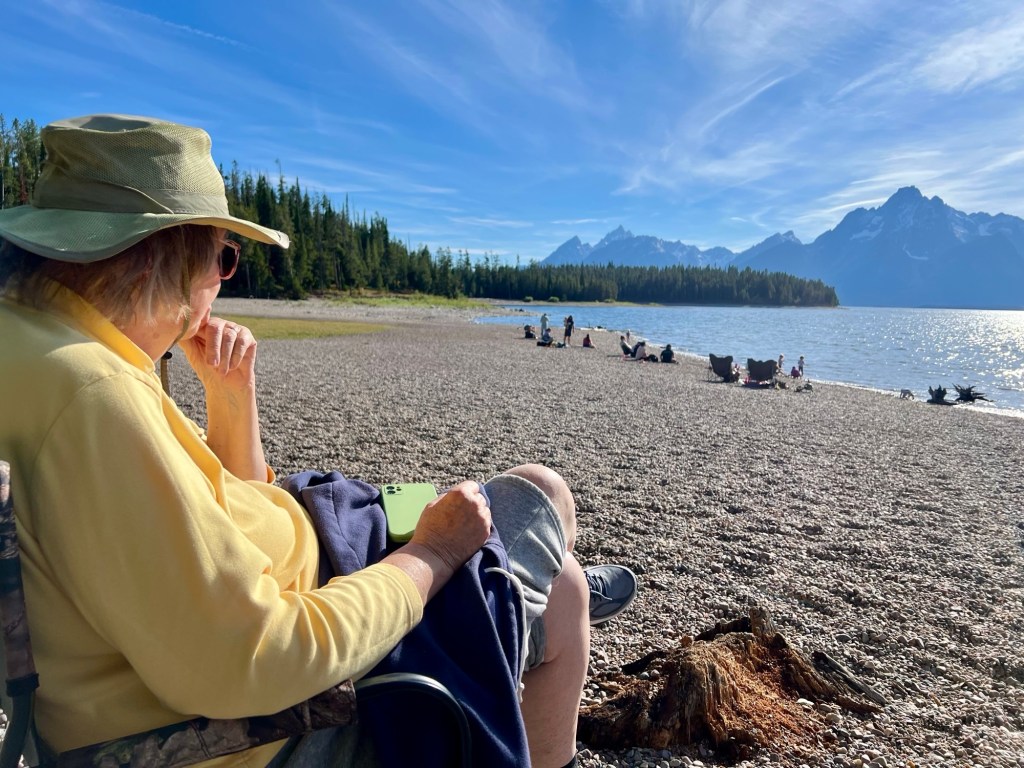
The beach is not sand, it is gravel, about 1 inch in size. But just fine to plant our chairs and watch whatever happens.
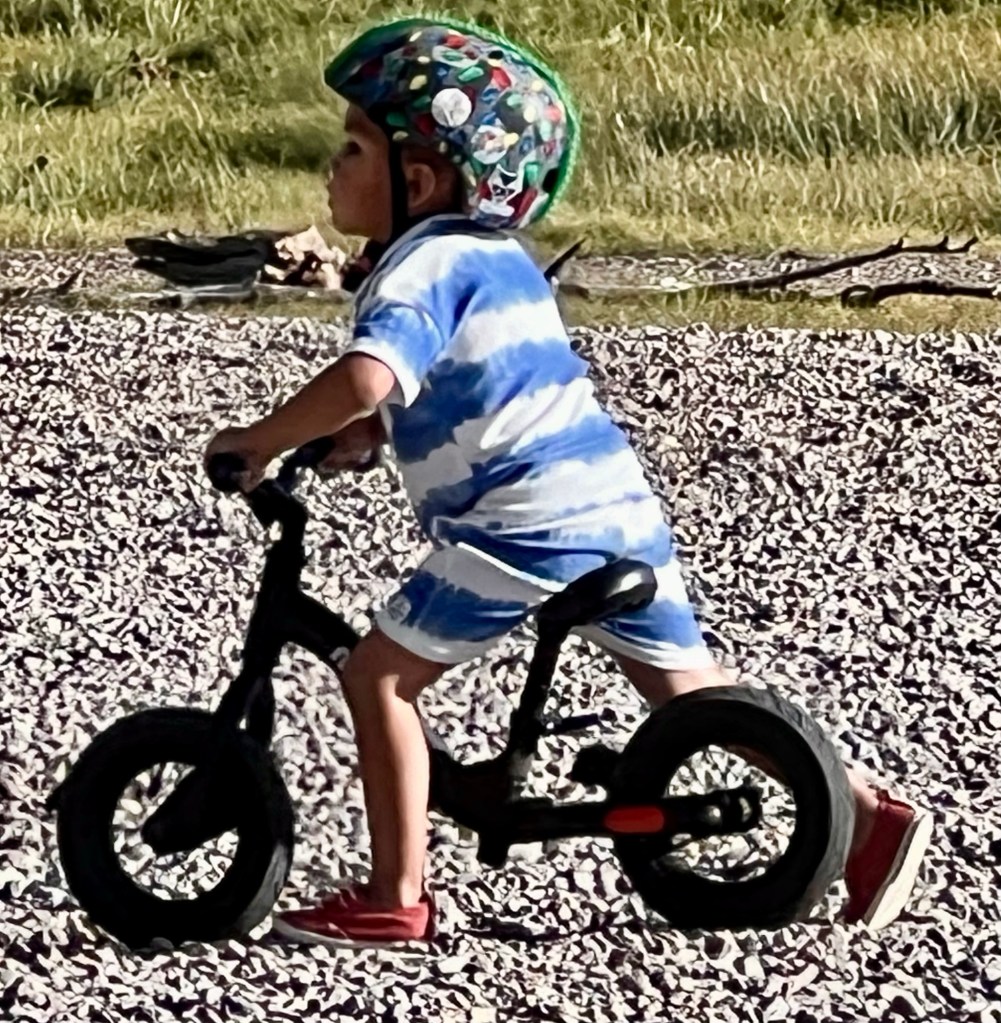
Not everyone got the “No Bikes on the Beach” message. Maybe since this fellow’s two-wheeled machine had no pedals he got some dispensation. He was having a lot of fun going as fast as his little feet would go.
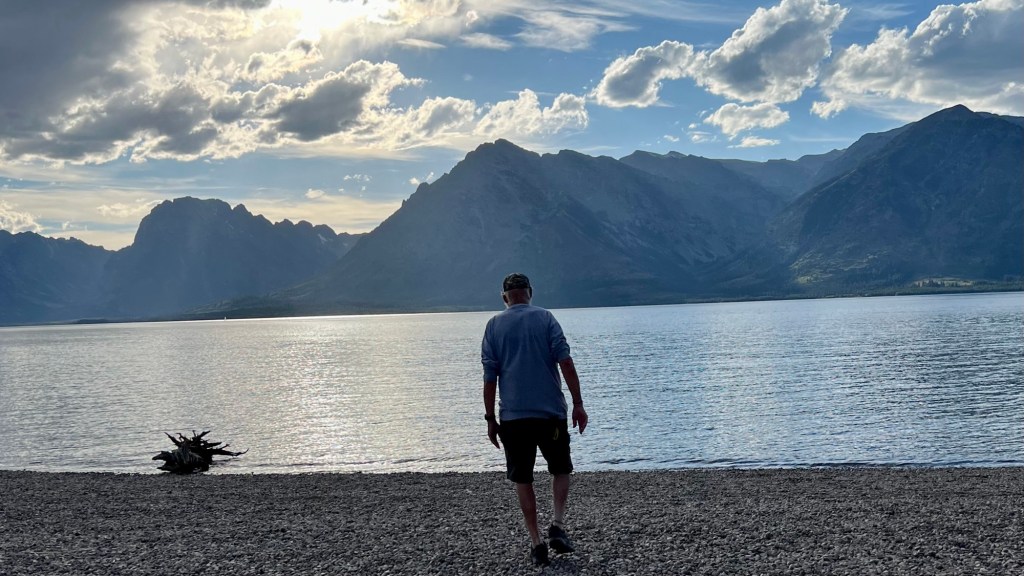
The lake beckons, you just have to go test the temperature, take off your shoes and socks, and get wet. It was surprisingly not as cold as I expected.
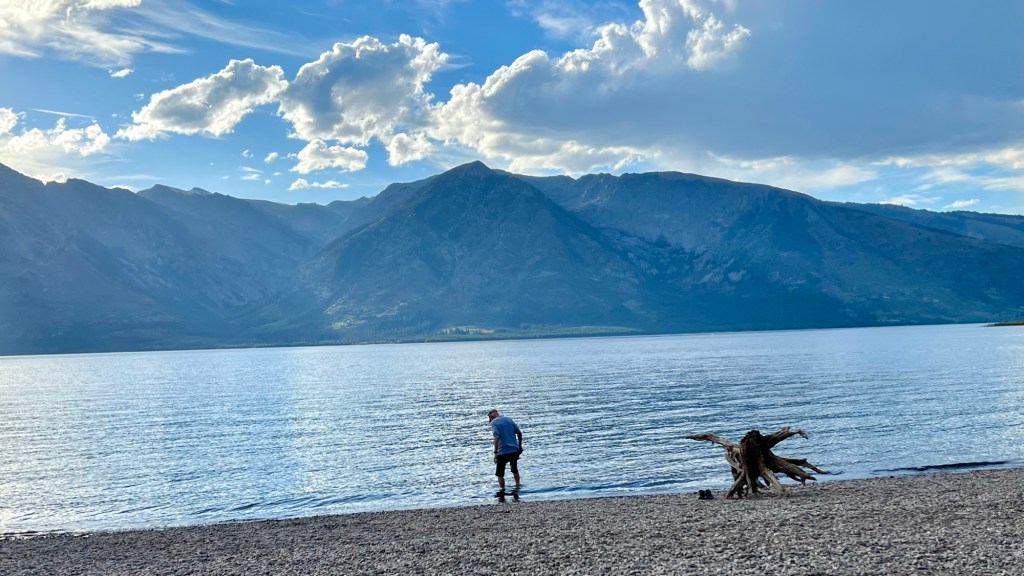
The weird thing is that once you walk in you would think it would be pretty solid. But like when you walk in on a sandy beach the sand gives way and your feet sink in, this almost seemed more of that. The gravel moved, and my footing seemed unstable, the more I moved the more the gravel gave way. I wasn’t going swimming so I didn’t wait very long to see the final result of the unsteady footing. But I did get into the water at Jackson Lake.

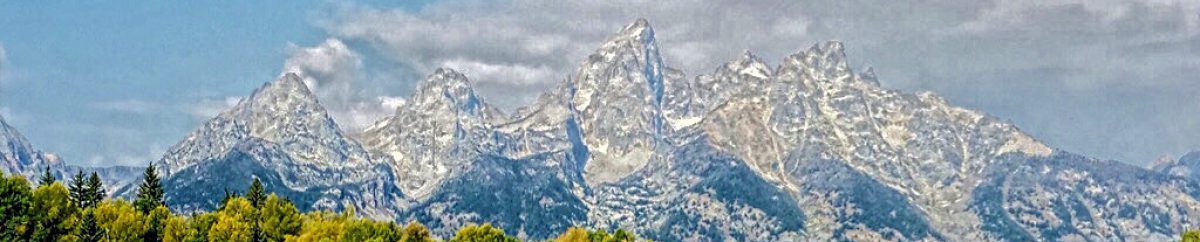
It snowed while we were there in the higher elevations. The Grand Teton at more than 13,000 ft is south and across the lake from Colter Bay had a light coating of now.

The snow filled in an area on the north face of Mount Moran that looked very much like Minnesota.
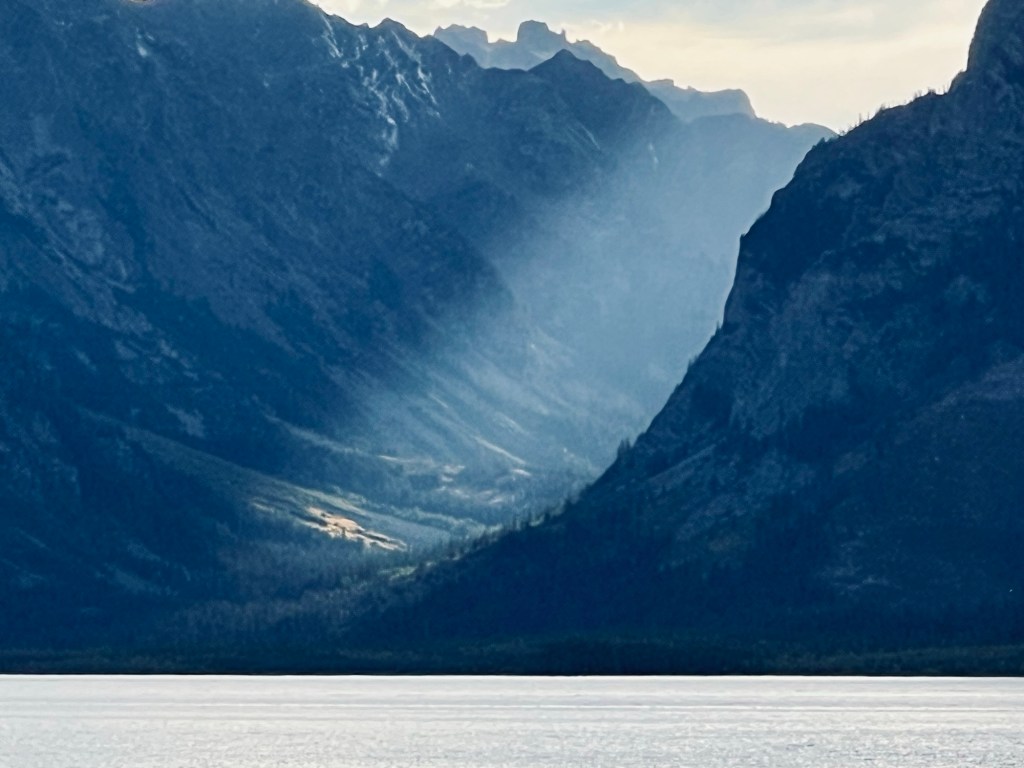
And on those special days when the cloud layers are just right and you happen to be looking, the late afternoon western sunlight floods down the glacier cut valleys on the far side of the lake. It is pretty spectacular to see.
We have been to the Tetons many times over the past 50 years of RV travel. We have been on grueling horseback rides up and down the mountains in the rain, on backcountry trails where the bear stories from the previous night’s Ranger talk make you pretty wary, and on boat rides on Jenny Lake and Jackson Lake. We have seen some pretty amazing scenery and wildlife.
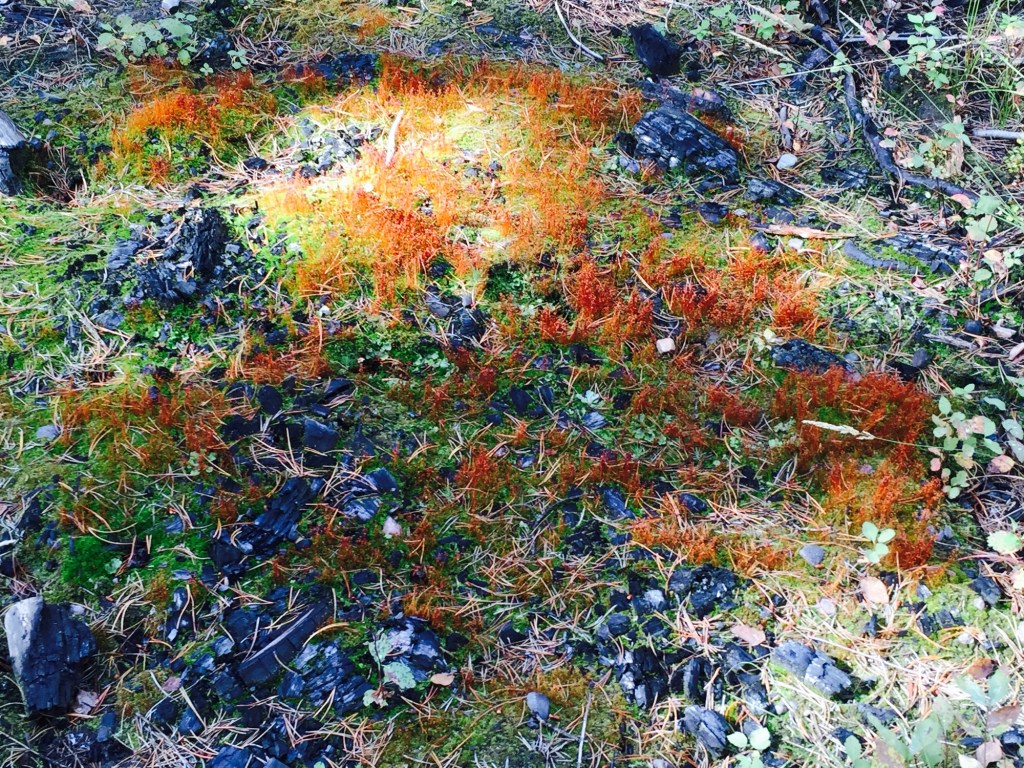
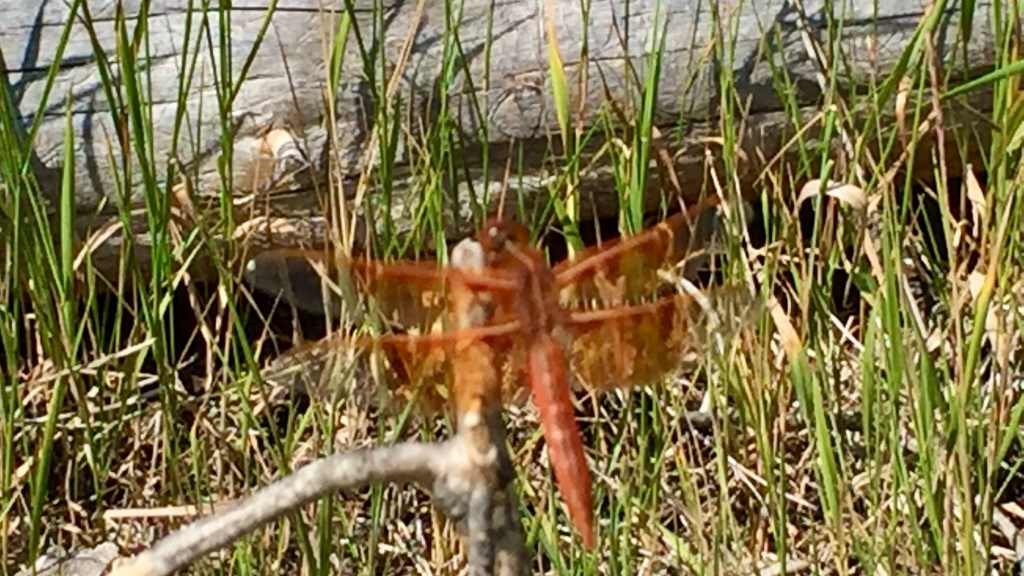
We have been closer to bears than we should have been. We have enjoyed the quiet times just seeing the mountains and the lakes, the families on the beach and in the picnic areas, and the walks through the campgrounds at the end of the day. We keep coming back to refresh, reinforce, and make new memories. The way we enjoy the Tetons has changed over time as have we and the Tetons. We have been to a great many National Parks. This is where we return.
More Later, Much Love,
Roger, Susan, and Maggie
 Home2 with Roger and Susan
Another excellent travel-log! Thanks, Roger.
Ed
>
LikeLike
Wow! Thank you the stunning pictures of the dunes and Grant Teton National Park. Glad you are meeting up with friends and really enjoying your travels!
LikeLike
As much as we enjoy all your posts this might be the best ever. The descriptions, background information and pictures are wonderful. Can’t decide which picture I like the best, the glacier carved valley or Susan and Maggie’s closeup🥴 I still have memories of staying in a cabin on Jenny Lake maybe in the late 1950’s with our family. Have been there on a motorcycle since then and it is still magical. Thanks for the travelogue and “keep on traveling”.
Frank Green
LikeLike