Coach Service at Cummins, July, 2015

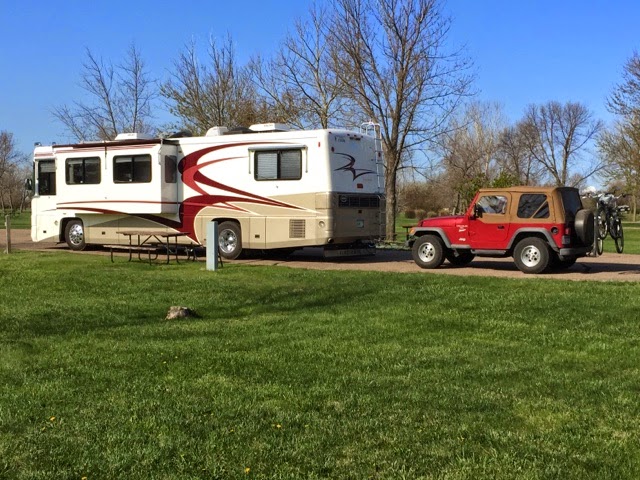
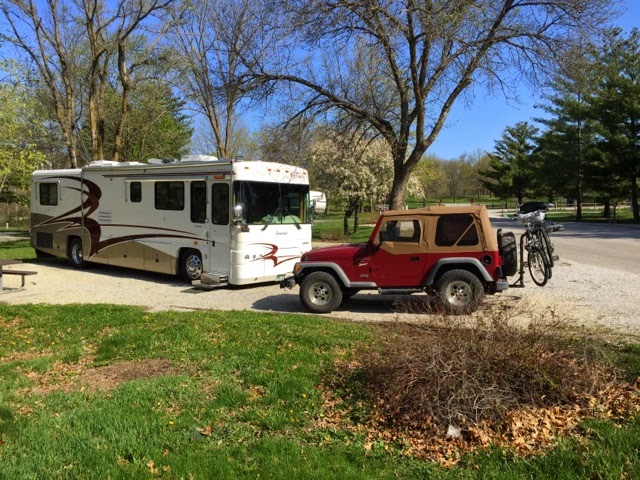
I took the coach up to Cummins in Shoreview at the end of June for regular maintenance, oil and filters and a transmission service and to have them check a few other things.

This is an exerpt of what I posted on the Foretravel Owners Forum.  This is a story that could have turned out much worse than it did. 
Last fall we had out coach serviced at Cummins. They did all the normal coach service including checking the air filter.  It was OK.  A couple trips after service and then in the barn for the early part of the winter. Early January had us heading to Houston to visit Rudy and then to NAC for work at Xtreme.  Three weeks there and a few more days in NAC and then west to Arizona and New Mexico.  We were on the road for four months.
Somewhere along the way we got a significant amount of water into the air intake, down the snorkel and into the air filter canister where the air filter got wet.
In four months we only drove in the rain one day, from Prescott to Parker, AZ on Feb 28.  There was a really big storm, lots of rain and wind heading south from Prescott, same heading west towards Parker.  The other way, north, west and then south had lots of snow, 20″ at the Grand Canyon. 
Well, the result of this was that the wet air filter failed and air filtration to the engine was compromised.  After leaving Parker we went to the Grand Canyon.  I noticed for the first time ever that there was some oil spatter on the  Jeep and the back end of the coach.  There was oil coming out of the breather tube hanging down on the right side of the Engine. I checked on the Forum, no hints about checking the air filter.  No reason for me to check it but even if I had I think the damage had been done.
Another two thousand miles before we got home.  No performance or mileage  issues.  I did have to add some oil.  This concerned me because the coach has never used any oil at all.
The verdict at Cummins was abnormal engine wear.  
So they started tearing the engine down to see how far the damage extended.  Turbo, charge air cooler (CAC, this is after the turbocharger and cools the high pressure air going into the engine), valves, cam, head, pistons, cylinder sleeves, crank shaft bearings and air compressor all had some damage.  Cummins  recommended a high level in-frame overhaul.  That means they could do the work without removing the engine. I said do it.
The Service Manager at Cummins suggested I check with my insurance company since the damage was caused by rain and water intrusion which caused the air filter to fail and all of the collateral damage.  Good suggestion.
My insurance company agreed after seeing weather reports from that area on that date and the damage reports and pictures from Cummins.  Comprehensive covered it as flood damage, minus my deductible.  And the oil change, coolant change and transmission service were required as part of the rebuild.
So it took Cummins about three weeks to get the parts and do the work.  They even replaced the engine computer (ECM) because it had water damage and was intermittently misbehaving and the fuel pump. They reused the block, the valve cover, the oil pan and the crank shaft and the injectors. Pretty much everything else is new. They ran it on their break in program on the dynomometer (about 30 min). Steam cleaned everything and painted it to look like new.
I picked it up about 10 days before we were leaving on this current trip. The ECM reported to the VMSpc 0.9 hours and 2.7 miles.  35 miles to home, 9.5 mpg on an esentially brand new motor.  Amazing.
So my out of pocket will be my deductable, about what I would have paid for the service anyway.  I bought a spare air filter and I will check the installed one frequently, especially after rain.  I got a deflector for the air intake from John Haygarth.  I had several chats with the engine tech, Arvie, who has more than 30 years with Cummins. He was very deliberate about this job, he was the only one who worked on it.  He saved every part to show me the wear.  He was very careful inside the coach.  Susan says it was very clean, even the outside of the coach.  He commented every time I talked to him that the Foretravel engine access was great to work on.  He showed me a couple other coaches that were not. He was especially impressed with how nice the coach looked after 15 years.  They just don’t see that level of care, pride of ownership and quality on other brands.
The bottom line is check your air filter more often than you are doing now especially after a rain event or a wash down. Get an air deflector.  Reports are that they extend air filter life. And make sure your insurance coverage is adequate for catastrophic events.  
More than 40 forum members reported that they went out to check and then changed their air filters.  At last count more than 25 had ordered John Haygarth’s air deflector.  One of the great things about the forum is that we share our successes and our difficulties. This problem has not happened to any other FT owner that we know of.  It really was an extraordinary event.  If folks are aware, maybe it never will again.
I learned a lot about diesel engines.
Now confidence building starts over with our new engine.  
I now have 27.5 hours on the engine. All is working well. 
We are in Bozeman today, 8/3, getting the starter replaced on the Jeep.  Another something.  Better here than 20 miles off road.
Roger

Coach Projects, Waste Bay Redo, Late May, 2015

Third Waste Valve, 2001, U320, 36′ single slide.

This is an excerpt from a ForeForums post I did on this project.  The help given and received on this forum is enormously helpful.  More than 3,000 owners and interested members make this an extraordinary resource.  It is also a great place to meet and make new friends. The project was done over the past couple weeks.


http://www.foreforums.com


This task, replace the interior waste valves and add a third valve. Add a direct fresh water fill.

The extra structure in my 2001 36′ with one slide changes the arrangement of the parts compared to coaches without slides and other model years. The original setup had a single fiberglass panel onto which all of the parts were mounted plus a top piece.  The 3″ waste drain pipe comes through at the bottom, the gray and black tank valve handles are mounted in this panel and the service faucet is also mounted in this panel. And there is a 110v outlet, a phone jack and the cable input connection. The lower section of this bay in our coach has a black rubber liner that come up about 5″ on the sides and the fiberglass panel.

Disassembly
I turned off the water to the service faucet and drained as much water out as possible. Disassembly requires peeling the glued-on rubber liner from the fiberglass panel, removing a dozen or so screws and then trying to manipulate the panel with the valve handles and PEX lines to the faucet still attached.  The PEX lines need to be disconnected as well as the cable wires from each valve and the cable guide from the valve cable mount. The 110v outlet has to be removed as well as the cable/phone connection.  The faucet can be removed from the panel from the outside but the rest of the faucet and the water connections are attached to the panel. mark which cable goes to which valve.

This was not easy, sitting on the ground, bad knees and hips bent like pretzels, arms through impossibly narrow openings doing things you cannot see.  It took a while but I got it done.  All I could think of was trying to put it back together and then trying to service any of this stuff in the future.

Replacing the main waste valves.
I carefully located where the new third valve was going to go on the waste exit pipe. I marked the location so that when the third valve was installed and a 45° fitting attached the drain hose could be connected and the door closed.  

The gray and black tanks were emptied, flushed and emptied again and the coach tipped toward the curb side. Each valve has four bolts that go through the flanges on each side of the valve body and the valve body.  They also go through the two halves of the valve cable attachment. (These bolts are a bit longer.) There are two bolts and nuts at the top of the valve cable attachment.  Once all of these bolts are off the “h” shaped outer drain pipe assembly can be removed.  Clean the flanges carefully.  I cut the outlet pipe to the correct length.

Use plumber’s silicone grease on the four cleaned flange faces, one rubber gasket goes on each flange, wipe some silicone grease around the face of each side of the valve blade.  Carefully reassemble the valve bodies, cable attachment and the outer “h” section and tighten the bolts.  Check the operation of the valves as you go.  Some long socket wrench extensions and a universal joint made this easier.  Once the cables are ready to go back in the outer cable sleeve fits into the top of the cable attachment and the wire goes into the valve handle.  A set screw makes the connection firm.  Save the allen wrench.

I wanted to keep the rubber liner, it seems to help keep things tidy. And I wanted this to be easier to reassemble and service if needed in the future.  So I sketched up a three piece solution and went to see my neighborhood sheet metal guy. “No problem”, he said.

Reassembly
The Bottom Section (14 ga stainless steel) has the rubber liner and the valve handles attached.  With this part installed, the cables are easy to attach to the black and gray tank main valves.  I added a few gallons of water to each waste tank, leveled the coach and did a paper towel under each valve for a couple hours drip test.  Dry towels.  

The Middle Section (14 ga stainless steel) has the 110v outlet and the cable/telephone connection and the connections for the hot and cold PEX lines.  This was pretty easy to install.  The PEX connections are hand tightened (plus a half turn with a wrench).  The electrical outlet is crimped on to the Romex cable and feeds through the hole and is attached with two screws from the front.  The phone/cable also feeds through the hole and attaches from the front. Once that was fixed in place I reinstalled the outside part of the service faucet (use silicon grease on the rubber washers).  I opened the manifold valves to the faucet, bled out air and ran water through the lines.  I left the pump on and did another paper towel under each set of connections behind the panel for a couple hours drip test.  Dry towels.

We talked for a while about no faucet, maybe just a set of valves and a spray hose.  Lots of appeal there but we use the faucet frequently for some warm soapy water to remove bugs from the front of the coach before they petrify.  There are bugs up north here that approach the size of small birds and seem to be made up of mostly green and yellow goo.  So we kept the faucet.  I repurposed a 50′ 3/8″ air line with hose fittings on each end as a service hose.  Very compact on an extension cord reel.  easy to get all around the coach as needed. 

Then I fit in the Upper Section (also 14 ga stainless steel) and finished attaching it.  A bit of silicon seal went here and there. The light was attached to the top panel.  I didn’t even know there was one there until I started taking things apart.  I moved it to the side wall and used an LED bulb.

I doesn’t look all that different from the original but it is much more serviceable and the third valve will work well.

And I got the direct fresh water fill installed as well.

There was a reason for the big side doors on the barn.

In Hastings, 4/25/2015

Well, it is Saturday and we are back in Hastings. The house looks clean and tidy just as we left it except for the neatly organized piles of mail on the dining room table.  

When we left HWH the battery on the Jeep was dead, we left the lights on. No matter, we pushed it into place, hooked it up to the coach, checked lights (they run off the coach). 
About five hours later we pulled into the driveway, disconnected the Jeep and rolled it up by the shop and hooked up the battery charger. I backed the coach out the driveway, into the street and went around the block so I was lined up to back the coach in from the street, 400 ft through two 90 degree turns and right into the barn.
It took about 2 hours to unload everything from the coach that wasn’t going to get left there and move into the house.  Turn up the heat, turn on the water heater and the water.  One house to another, both  comfortable, both familiar, both home.
Susan had some checking to do on Kathy. Kathy had some doctor stuff going on the day we got home. She was fine but it did both Kathy and Susan good to check in.
So now we get back into the home front routines.  I have Habitat starting in a week.  I need a hair cut. I have 2 doctors, a dentist and an eye doc appt in the next month.  Susan has some too. The Jeep and the coach both need scheduled maintenance. I came home to two very low tires on my car, Susan had one. So we will be busy for a while.
Next up for us, Washington, Oregon, Grand Tetons, Yellowstone, Devil’s Tower and the Buffalo Round Up at Custer State Park, SD. And maybe a trip to Indiana too. All of this still to come this summer before the snow flies.
We hope you have enjoyed sharing our adventures. There are more to come. While challenging at times, it has been fun to put this blog together. It is a journal that will help us remember where we have been and what we have seen and done.
Susan and Roger.

The Way Back Machine, 4/21/2015 – 4/23/2015

It is a long way across Colorado and Nebraska.  After about 400 miles we stopped at Windmills State Recreation Area just east of Kearney. It is close to the interstate and has 6 small stocked fishing lakes and a collection of old windmills.

The grass was green.  Someone was mowing, it smelled nice.  The park was almost empty.  Good to stop and get out for  a walk.

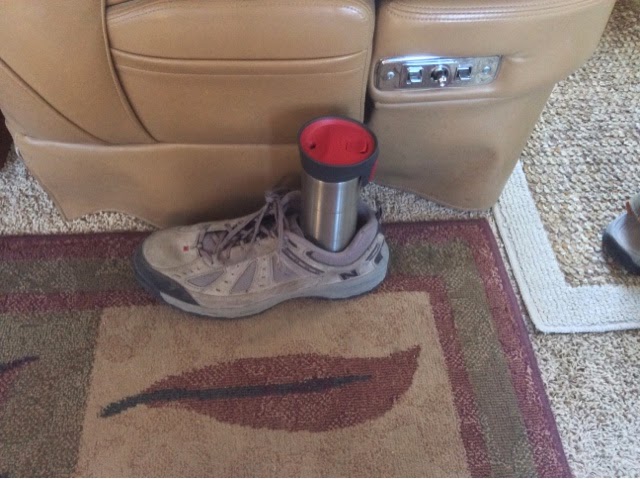
When I got back I was looking at the ForeForum, a website for owners and people interested in Foretravels.  There had developed during the day a big discussion about making/modifying cup holders. I solved this a while ago so I posted a picture on my insulated, adjustable, non-moving cup holder. I like what works.
The next morning we got up and headed off for a 370 mile day to an Army Corp of Engineering Campground east of Des Moines. 
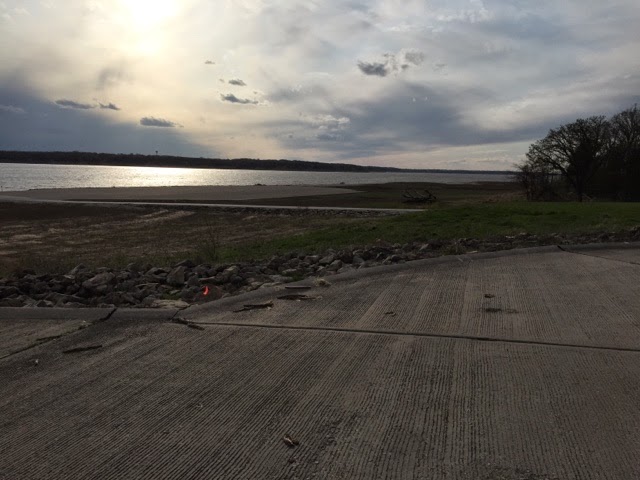
We stopped at Saylorville Lake, Cherry Glen COE Campground.  $10/night.

A very large lake made by two dams.

And a nice campsite.  It was very windy for both of the past two days.  Mostly from the northwest which gave us a bit of a tail wind.  

Our last leg on this run to HWH Corporation in Moscow, IA was less than three hours.  HWH has hookups so we were going to get there, plug in and head for the Tipton Family Restaurant in Tipton, IA.  The food is good, the portions suitable for burley farm boys and the prices good for their miserly father.  It was indeed, good and I brought home half of my lunch.  We drove around tipton, the county seat to look at houses.  There were some beautiful Queen Annes, some Victorians, lots of four squares and several attractive bungalows.  It has a big couthouse and a grand library.  A pretty nice town.
We stopped for fuel acress from HWH, $2.49/gal for diesel.  We bought fuel near Denver so this was about 700 miles heading east.  The tail wind helps.  We averaged 11.25 mpg on that stretch.  Very nice.  
There were about 8 other coaches there at HWH from all over for service.  Another Foretravel pulled in and the fellow knew who I was from the Forum.  He was from British Columbia, a full timer and working his way back that way.
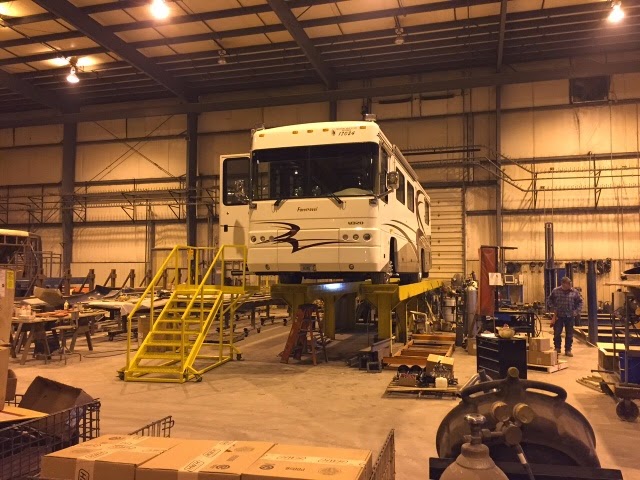
Our stop at HWH was to check for leaks.  They drive the coach around to the side of the building and on to an elevated structure so that it is easy to get underneath.

They must have 24′ ceilings or more.  Something like this at home would be nice.  Another Foretravel owner in Australia built something like this only the legs were on pivots so that it folded almost flat.  He would drive on it and then hydraulic pivots would push it up into a raised position.  I think I would rather have something solid.  Another fellow in BC built a drive over pit.  It is some work to crawl under these to work on them.

Anyway they found six leaks. One was on their equipment so they fixed that and marked all of the others with wire ties for me to fix.  There are dozens of air connections so after 15 years to only find six minor leaks is good.  And all of those that need fixing are pretty easy to get at.  Something to keep me busy.
So on towards Hastings.  Our friend Kathy has been checking the house, collecting mail, watering plants and ready for us to be home.  We are ready to be home too, although it feels almost like just the next stop for us where we will be for a while and then elsewhere.
Last year when we got back at the end of April we were disoriented for a while, so much more space.  We couldn’t find each other.

The Way Back Machine, 4/18 – 4/22/2015

We have left Santa Fe and are heading to Denver for one of two regular maintenance stops.  Santa Fe to Denver could be done in a day but not us.  We drove east and then north on I25 through Raton Pass (about 7900 ft). We have been through this pass several times and it is a relatively easy pass to go over, not too steep, not too high. Then north towards Pueblo, CO where we stopped for the night in a unremarkable RV park.  It was only $20.  The weather report had snow between Colorado Springs and Denver.  We were headed for the Boulder County Fairgrounds in Longmont, CO so stopping and waiting a bit for the weather to clear seemed prudent. In the morning we set out for Longmont, about 4 hrs away.

There indeed was snow.  The roads were clear so off we went.

It was an OK drive but getting through Denver is always crazy.  Lots of traffic slowdowns on Saturday? And accident that put everything to stop and go for 30 minutes didn’t help and a 5 mile backup to exit to the High Times Marijuana show at the Merchandise Mart really didn’t help.  Better to go by there before the event than after.  Apparently it was sort of like a cook-off to crown the best of the best.  I guess they must have had samples. 

But we managed to get to the Boulder County Fairgrounds.  These are usually pretty nice, pretty cheap. This one was just fine. Not planned, just a good spot to head for.  And like most of these stops there is always something to see.
There was an auction going on.  A couple of classic old cars.

Both Edsels.  Lots of art work, old guns, and other old stuff.  We bought nothing.

There was also a horse show going on. Young folks all dressed up riding their horses. Straight ahead stop, stand, then forward turn right, stop, turn 90 degrees right, stop, move forward one step, stop, move backward two steps, stop, turn 90 degrees left, trot in a a half circle, stop, back up a step, stop, move forward back to the line of horses side by side where you started, stop, turn 180 degrees and then back up into line.  Way cool!
This gal won first place in her age/skill group.

I think she was second place.  Her horse had a very long tail.  We think they were all about 13 years old or so. This is a rider/horse sort of thing where they both have to learn how to do this.  It was fun to watch. The horses were sort of glammed up, saddles were fancy, saddle blankets were the glitzy ones and the riders were in their finest performance wear.

The next day we moved about 8 miles east to St. Vrain State Park.  The camp sites have paved RV pads and we were expecting rain.  Our service call was at our camp site the following morning so we figured dryer and seven miles in the right direction.
In the morning, John Carrillo, an Aqua Hot specialist stopped by to do an annual maintenance on our heating system.  It is fairly simple to do, I have all the parts to do it myself but John can get it done in about 1/4 the time it takes me.  It was a good thing we had him do it. He found a fuel leak and had the appropriate parts to fix it and get us back on the road.  I would have found it, had no idea what to do, made some calls, ordered some parts, spent the same amount of money and spend 6 hrs and several days doing what it took John about 2 hrs to to.  And John is a nice guy.  There are three people in the whole country that get to work on my Aqua Hot, John, Rudy from Houston and me (Rudy showed me how to do what needs to be done).
So we are off by 10 AM, heading for somewhere in Nebraska.

Santa Fe, 4/5-4/17/2015

Part 4, Art and Museums continued.

Up on Museum Hill we visited The Museum of International Folk Art. This is mainly one person’s collection of folk art from around the world gathered on his travels.  There is something about collecting hundreds of thousands of folk art things that would make all of those museum gift shops happy. I think you would have to be a little off plumb to be so compulsive a collector.  One interesting feature of this museum is that the collection is displayed in every direction.  There is plenty at eye level and then things near the floor, high up on walls and on the ceiling. There are dozens of diorama like displays and then on the back side, a small opening to look in on them from an unexpected angle

Dolls at dinner.

A last supper sort of thing.

A Day of the Dead band?

A Mexican Village.
And hand done Samplers from the 1700’s and 1800’s.

Also on the Hill is The Museum of Indian Art and Culture.  This was a wonderful place.  There was a pottery section that described the many different techniques for making and decorating pottery not only from different groups but also families within a tribe.  There was a section on jewelry as an art and turquoise as a material, how it was formed and how where it was formed changes its look and color and how those can be used to date and grade stones.  There was a section on Native music and music making instruments.  Lots more than just drums.  And a section on clothing.  There were dresses, moccasins, leggings, war shirts and ceremonial wear.  And paintings and lots of sculpture from very small icons to monumental sculptures outside in the sculpture gardens.

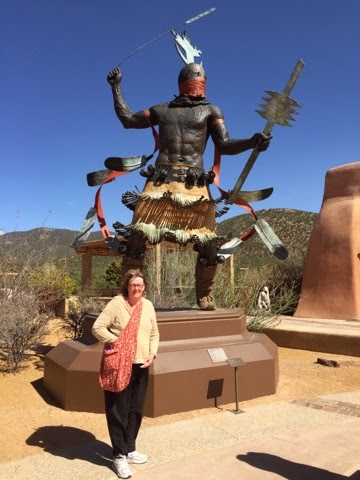
The metal fringe on this sculpture moved in the wind.


Another museum on the Hill is the Wheelwright Museum.  It is the legacy of an unmarried only child of a very wealthy Boston family who came to appreciate the SW Native American culture and religion and sought to collect and preserve the religious and ceremonial aspects that were closely guarded and passed down by example and oral history.  And as the native population was decreasing there was concern they would be lost.  She collaborated with a Navajo man who knew many of these ceremonial and ritual traditions and shared her concerns and put aside the protective traditions to help her preserve them.  This is a small museum, mostly showcasing one artist at a time.  The display in the main gallery now is a photographic journey of the artist from discovering the post nuclear age impact on his people through their struggle to survive and into a new sense of hope for the future.  Navajo Indians were used to mine raw uranium for the Manhattan Project. The had almost nothing in the way of protective gear and almost all of them suffered from the dust and radioactive residue that clung to them both inside and out. It was decades before any help was made available to those made sick doing this work for the war effort.

We also went up to Los Alamos with our friends, Ed and Barb to see the Los Alamos History Museum and the Bradbury Science Museum.  The History Museum was very interesting, it covered the period from when that area was a private ranch school for boys from wealthy families to the start of the Manhattan Project and the growth of Los Alamos.  There was quite a bit about life in Los Alamos during the war and the period after.  This was a secret place during the war.  People would arrive through a store front in Santa Fe, get their credentials, leave through the back door for a four to five hour ride through some rough terrain to the main gate.  Once past the main gate most never left until after the war.  Mail was carefully censored in a way to prevent anyone from knowing it was censored.  If the censors didn’t like something they would send it back to the sender with instructions how to fix it. There were men and women there as well as babies.  Birth certificates of babies born in Los Alamos during the war give a PO box number in Santa Fe as the address of their birth place.

The Bradbury Science Museum was more about the Science Lab today.  There was a section on the kinds of problems they had to solve to make nuclear weapons but most of this museum is devoted to things that have been done since the war. The development and advances in super computers and programming and the medical advances that have been made.

Everywhere you look there is something interesting.
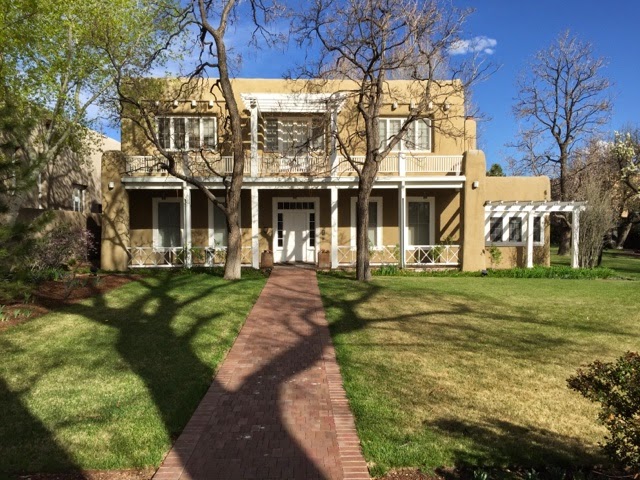
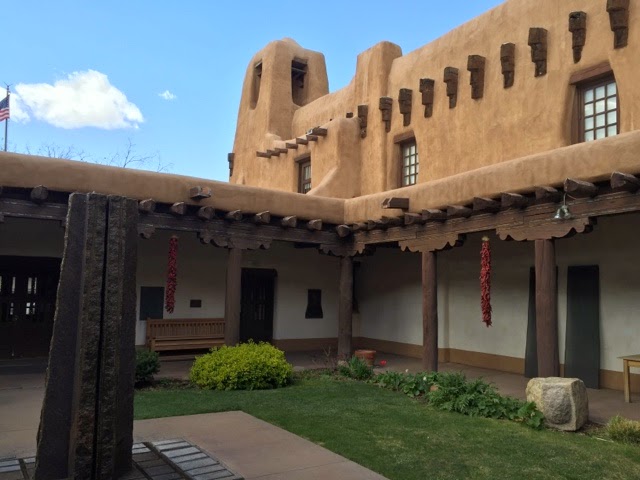
This is the Research Office for the Georgia O’Keefe Museum.  It was originally an Army Officers quarters in the 1800’s, remodeled to the Territorial Style late in the 1800’s and back to this look in the mid 1900’s.
Really, everywhere.

I have no idea what this was but it was very nice.

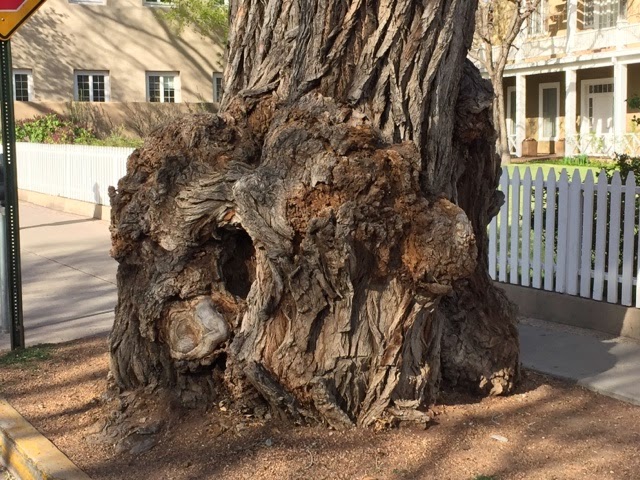
Even a tree.

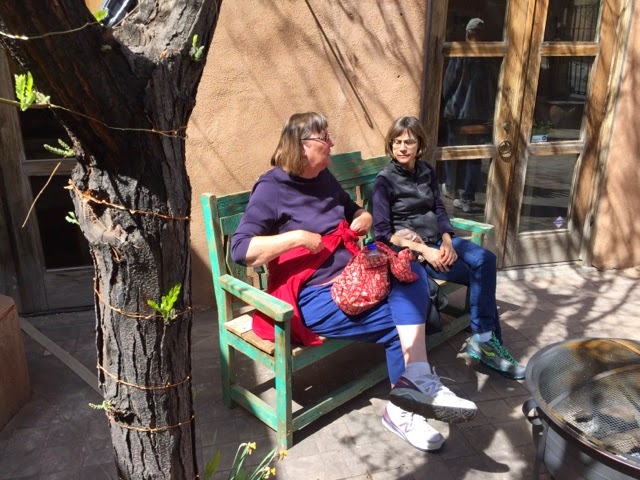
It was a lot of work.  When Ed and Barb were there we were extra busy.  But there was always time for a sit down break, a cup of coffee or tea or hot chocolate.


I suppose I could go on and on, Oh wait, I already have.  

Santa Fe is a great place to visit for many reasons.  We have been here ten times in seven of the twelve months.  Winters are much milder and summers are never as hot and much dryer than Minnesota. It is not as green and there aren’t many trees but the colors and textures of the high desert are very captivating. Come see for yourself.  For all the time we have spent here we keep discovering new things to see and do. If you only have a few days treat it like a fine dinner, do just a few things and take in all they have to offer with time to savor and enjoy.

We are leaving Santa Fe, heading towards Hastings. But not in a straight line.

More later,  Susan and Roger

Santa Fe, 4/5-4/17/2015

Part 3, Art and Museums

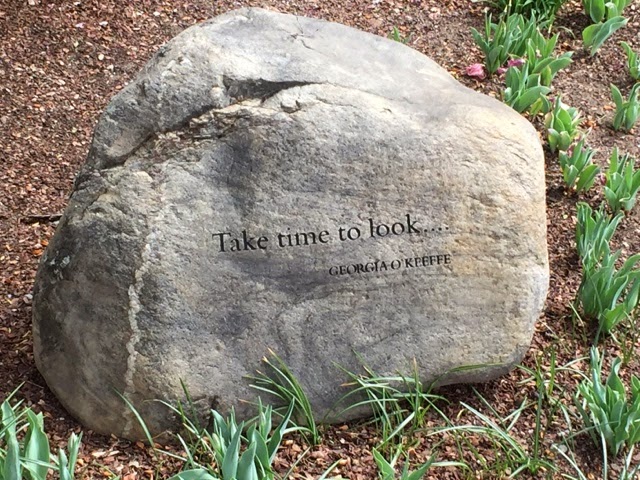
Santa Fe and New Mexico have long been an artist’s community. They come for the weather, the scenery, the quality of light and color and for the freedom to pursue their art as they wanted. Santa Fe recognized this early on and worked hard to attract artists.
They were successful. Today there are more than 250 art galleries in Santa Fe where art is sold. There are museums too, too many to list them all but here are some.
The New Mexico Museum of Art *
The New Mexico History Museum *
The Palace of the Governors *
The Museum of International Folk Art *
The Museum of Indian Art and Culture *
The Georgia O’Keefe Museum
The Institute of American Indian Arts
The Wheelwright Museum of the American Indian
The Museum of Contemporary Native Arts

And many more.

We have been to all of these at one time or another except for the last one. the museums with a * are part of the New Mexico State Museums. You can buy a pass that gets you into each one of them one time. Or you can become a Museum member and get into all of them as many times as you want in a year. Many of these are big enough and exhibits change so that more than one visit is helpful to absorb all they have to offer. And you get 10% off at the gift shop in every museum and at museum cafes.  

In 1912, the New Mexico Museum of Art was built in Santa Fe just off one corner of the Plaza. It was a modern building (for 1912) but it is built in a Pueblo/Spanish Revival style which is the preferred architectural style for Santa Fe. All buildings built after 1912 have to comply with this style model or the Territorial Style which was popular as New Mexico worked towards statehood. Every building built before 1912 is considered an historic building and has to be maintained as it was.

There is an interior courtyard. The building to the right is an auditorium. The posts, beams, corbels, lintels, vigas, scuppers, color and rounded shapes are all part of the style.

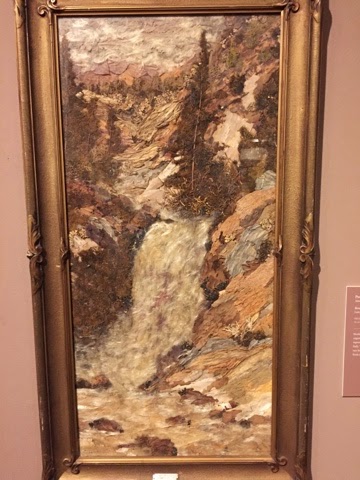
This piece was done with feathers, bark, moss and many other bits of more than 250 natural materials. We both thought of Suzie Schulze when we saw this and remembered how she incorporated natural materials in her work including the one we have in our coach.

This painting looks like spring going up toward Chimayo. The white blossoms on pear trees were everywhere. A blue door on your home is to insure good luck. Color is everywhere. No Santa Fe art visit would be complete without some Gustave Baumann, one of our favorite artists.

This is his 1918 original painting of Day of the Deer Dance. From this painting he would carve a wood block to make the final reverse image woodblock print.

The interior of the Art Museum follows and is an example of the architectural style.

The county court house and council room do too.

The wood work and fresco paintings are quite stunning

The New Mexico Museum of Art attracted many artists from the eastern US when it was opened because they had an opportunity to display their work without the judgmental east coast attitudes.  It is not surprising then that New Mexico became an early center of modern art.  Today’s exhibits showcase many of New Mexico’s most admired artists and photographers.
The New Mexico History Museum is relatively new but incorporates an amazing walk through time from the ancestral Puebloans through the wild west days and the push towards statehood and the days since.  We are seeing more of this type of museum layout done chronologically along a path that leads you through the story.
I’m going to stop here.  Google Blogger is up to it’s old tricks.  The rest of this just disappeared and appears to be unrecoverable.
I’ll start over on the rest of it.
More later.
Susan and Roger

Santa Fe, 4/5-4/17/2015

Part 2, Great Food

Santa Fe is known for art, art of all sorts, I’ll talk about the non-edible art next time.  This time I want to remember two great spots for their really good food.
These feature great New Mexican cuisine, not really Mexican, not really Tex-Mex, not really what Minnesotan’s think of as Mexican but more the cuisine that has evolved here over hundreds of years blending the flavors and ingredients of Mexican, Spanish, Native American and the last to the table, the Americans moving west.  What ever you want to call it, it is very good. These two places do a particularly good job of it.
Cowgirl BBQ

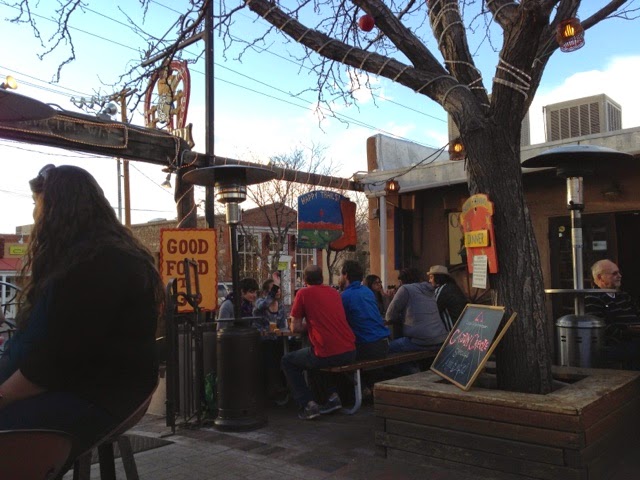
This is pretty much what the name says and much more.  Every kind of BBQ and whatever can be done on a grill. An entire sub-menu of Cajun/Creole foods including a wonderful seared scallops dish (Susan’s favorite, see her checking the board?) Great burgers from plain to the Mother of all Green Chili Burgers (really, it was spectacular). Breakfast (way beyond scrambled eggs) on the weekend and everything SW as well.
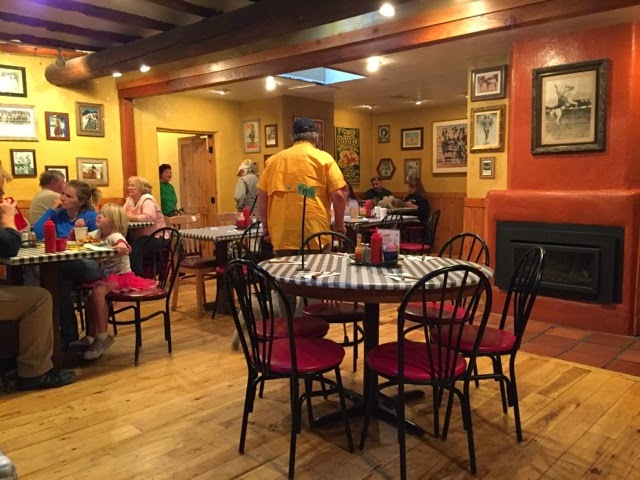
The inside is rustic bunkouse. The walls are covered with pictures of cowgirls, all authentic, most signed, many of those in the Cowgirl Hall of Fame and of course Dale Evans.
This was the nice dining room. We have eaten here many times and always enjoy it.
It is almost always busy, this is a very popular spot for the folks who live here. It is hard not to be discovered by visitors so they show up too.  Music on the weekends and one or two nights a week.  And it is right on the bus line from our campground.  
Rancho de Chimayo
Rancho de Chimayo is on the High Road to Taos between Santa Fe and where else, Taos. The road follows the old road to Taos through the mountains.  Chimayo is a small town about 1/3 of the way to Taos and is the home of several prominent weaving families, sculptors and other artists and the Rancho de Chimayo, a generations old family hacienda and ranch turned into a restaurant in the 1960’s to preserve New Mexican food and hospitality that the same family has owned for decades.  They have done well.
We first found out about Rancho de Chimayo in 1980 talking to some folks we met at Zion National Park.  They were traveling much as we were at the time.  No particular path, no particular time line.  They told us about the best New Mexico restaurant they had been at and said we should try it.  We got there twice in 1980 and back every time we have been anywhere near since.  We ran into the same people twice more, the last time in Calgary, Alberta.  We were on our way to Jasper, they were returning from Alaska. A chance encounter.  We were glad they told us about Rancho de Chimayo.

There was still snow in the higher elevations.

It is hard not to really appreciate this drive.

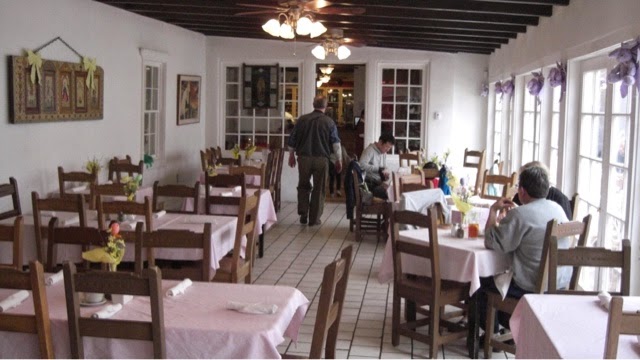
It is an unassuming place, nestled in the hills. The rooms of the house make up smaller dining rooms, each in a different color with original furniture and local art.

There is a bigger dining room that was a back porch.

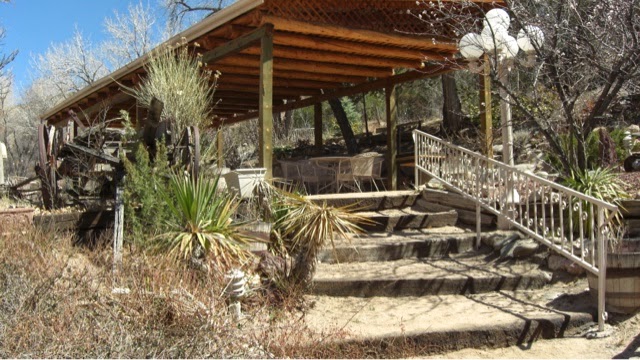
And out in the back, several terraces for outdoor dining when the weather is appropriate.
The food is always good especially with best friends.
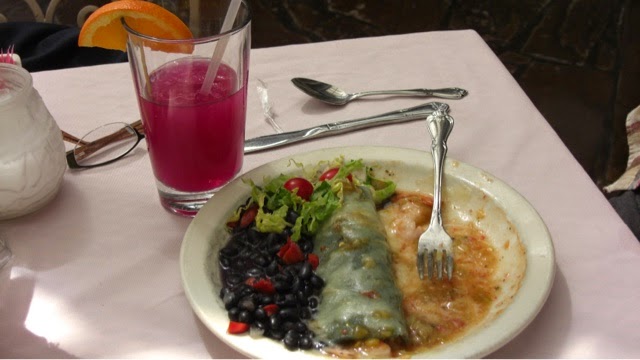
Prickly Pear lemonade and a tastey enchilada.

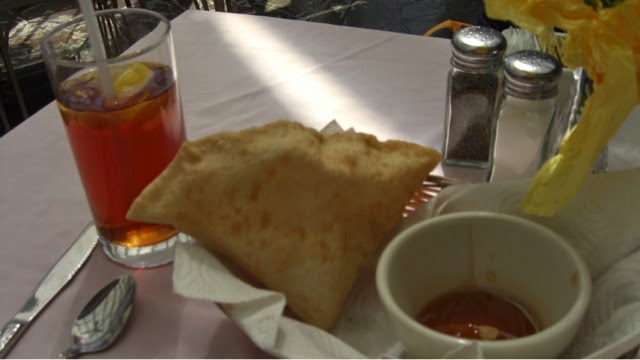
And a sopapilla with honey.

It is a very pleasant meal in calm, familiar surroundings with wonderful people helping you to enjoy the meal and the moment.

So that’s the food part.  Some folks may not appreciate as we do.  You should come for a visit and sample life and food here.  The desire to come back gets stronger with more visits and the need to stay longer each time seems more important.
Next, art and museums.
I want to thank Susan for her expert editorial part in puting our blog together.
Susan and Roger.

Santa Fe, 4/5-4/17/2015

Part 1

Santa Fe is one of our favorite places to visit.  We first visited in 1980 and have come back every few years ever since, this visit is our tenth as best we can remember.
We like the high desert (7,000 ft), the location, the colors, the really nice people, the art and don’t forget the food.
Santa Fe is about 60 miles north of Albuquerque. Going towards the north the elevation rises toward Santa Fe and then descends  further north. From Santa Fe heading east or west you will generally go up.  So, Santa Fe is in a sort of geologic saddle.
There are three campgrounds in or very near Santa Fe.  One is on the south end of town in a rural area.  We stayed there two years ago.  It was nice but it was about 10 miles into the heart of old Santa Fe, the Plaza. Four years ago we stayed at Trailer Ranch on Cerrillos Rd.  It has been around since the 1950s as a place for early travelers with RV trailers to stop. Today it is about 1/2 mobile homes for seniors and 1/2 an RV park for adults, no kids. The third is Los Sueños RV Park right across the street from Trailer Ranch.  We tried this one this time.  None of these are fancy.  They have the basics.  Los Sueños was back from the road so it was quiet at night.  Most of the time we were there it was less that 1/2 full.  The best part of these two campgrounds on Cerrillos is that they are on the bus line.  And the #2 bus goes right to the Plaza.  And it is $1 for a senior all day bus pass.  The bus ride to the Plaza took about 20 minutes.  It would have been nearly impossible to drive to near the Plaza, find parking and walk in the same time and it would have cost far more than $1.  Riding the bus gives you time to look at what you are going by.
Cerrillos Road back in the 1950’s was a two lane New Mexico highway leading to Santa Fe.  Today it is a busy major N/S route, 3 lanes in each direction, from the older part of Santa Fe to everything that has been developed since then to the south. There are major shopping centers, every imaginable big box store, auto dealers and more.  And houses everywhere.  
When we first came to Santa Fe 35 years ago most of this was still rural with scattered homes and small acreage sites.  Land was reasonably cheap from our MN perspective then and housing was affordable. We thought about moving here but there were a lot of strings still attached in Minnesota.
So here we are once again in a place we find engaging and fun and feels very comfortable to visit.  We have been here enough that it only takes a day or so to remember how the streets run and how to navigate in the historic old part of town.
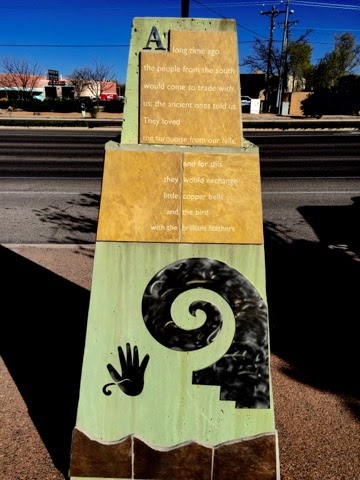
Many Bus Stops have historical markers that talk about the roots of the people and the places they mark.  Across the road the Trailer Ranch bus stop talks about the early visitors that came on Rte. 66.
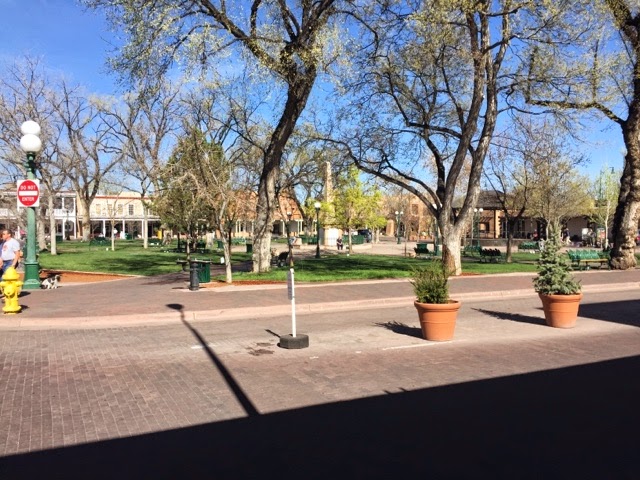
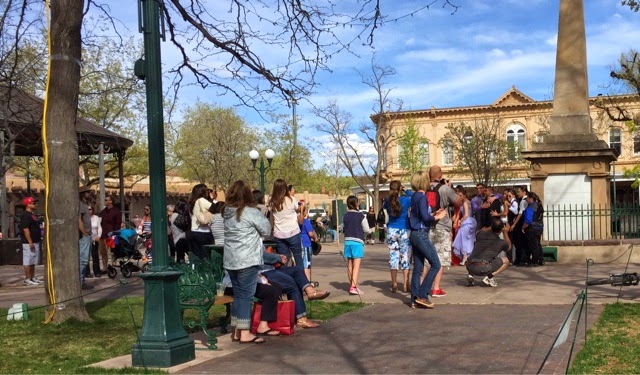
As in many SW towns the Plaza is the center of town, the center of life in town and the gathering and meeting point in town.  Early in the morning the Plaza is a pretty calm place.  By mid day, everyday, it is full of people, full of the life and spirit of Santa Fe.

On one side of the Plaza is the Palace of the Governors.  That building has been the seat of government in one form or another for about 400 years.  Santa Fe has been a Capital City for more than 400 years.  The only city older in the US is St Augustine in Florida but only about 20 years.
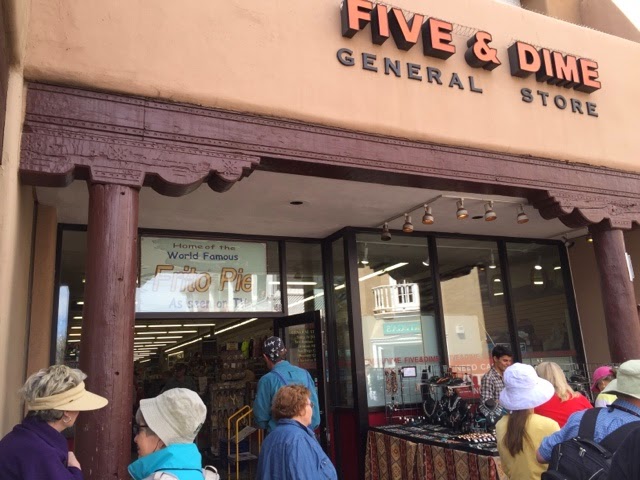
One corner of the Plaza has a Five and Dime that is famous for Frito Pie. It is a bag of Fritos cut open and filled with Chili served with a spoon. Most everything is this store is much tourist oriented
.
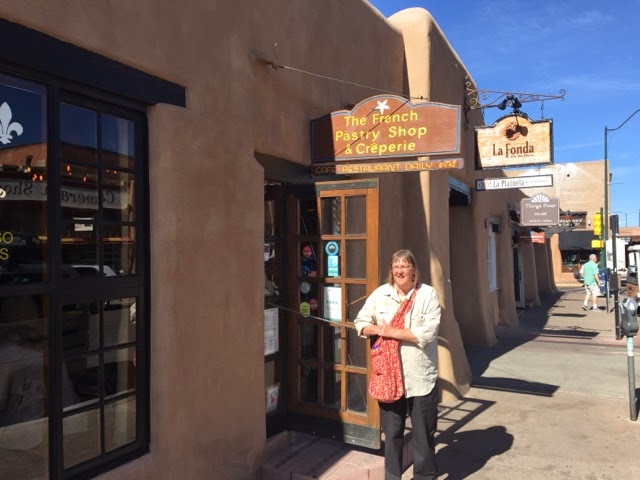
On the other corner the La Fonda Hotel offers very nice accomodations, a variety of shops and three spots to eat from fine dining to one of our favorite spots, the French Pastry Shop.  The La Fonda has been there since 1929 and was part of the Fred Harvey hotel system for a long time.  It is now privately owned but retains all of the color and texture of a familiar SW hotel.
Over the years we have had breakfast, second breakfast, lunch, late lunch, coffee and a pastry or just coffee here. This bakery was part of the original hotel and has been owned by the same family for more than 40 years.

The Plaza comes alive during the day. There are food vendors cooking fajita, lots of folks selling jewelry in front of the Governor’s Palace and across the street, usually somebody playing a musical instument with a hat out and lots of people to watch.  We were there on a Saturday, it must have been Prom day at the High School since there were quite a few young ladies in lovely dresses trying to walk in extrodinarily high heeled platform shoes and constantly adjusting this part or that in what were obviously not their normal clothes.  Lots of posing for pictures.  A big white limo full of one bunch, a big black limo full of another.  Not sure if that means anything.  There was a fire truck there too.  The firemen were giving out plastic firemens hats to little kids who were getting their pictures taken next to the fire truck.  A police car was there too and the two cops were taking off their bikes from the rack and suiting up for a bicycle patrol.

The Plaza is a place where people meet and relax, take some time out and savor the day.  There is so much to see, places to visit, museums to absorb, art to imagine owning and life going on here in Santa Fe and the Plaza helps us to remember to slow down and enjoy the moment.
We stayed in Santa Fe for 12 days, our longest visit yet and when we left we knew there was more to come back for.
More later.
Susan and Roger

Cochiti Lake, 4/1 – 4/5/2015

Cochiti Lake is a reservoir created by damming up the Rio Grande River. This area is part of the Cochiti Pueblo reservation. The US Army Corps of Engineers built this earth filled dam starting in 1965. It was completed in 1975. The dam is more than 5 miles long and is the 10th largest dam in the US. As with most COE sites, providing recreation opportunities is an important part of the development. At most COE sites there are very nice campgrounds with electrical hookups. Many have water at each camp site, some have waste connections. And with our Senior National Park Pass these sites are $8-$13/night.

Apparently being nice to the people who lived there was not so high on the COE agenda back then.  The Cochiti people lost significant areas of agricultural land and sacred areas flooded as the waters behind the dam rose.  And a lot of farm land was flooded below the dam due to seepage through and under the dam. And then there were developers who wanted to take over large areas of land near the lake to develop a new town for recreation and vacation.  They envisioned as many as 40,000 people.  The current population of the Pueblo is less than 600.  The Pueblo has worked to stop private development and to restore downstream farmland.  The Pueblo now owns a gas station and store and laundry and a small housing development for members of the Pueblo.  No other private development has been allowed.  In an agreement and cooperative effort with the COE drainage and irrigation canals have been built downstream of the dam to help restore traditional agricultural lands.

We (the coach) are near the middle of this picture.

I was surprised the dam was as long as it is. The spillway to let the Rio Grande continue south is about in the middle of the dam. The water level seemed just below normal. The top of the dam was about at the height of the campground, 251 ft. above normal river level.

The campground was about 200 ft elevation higher than the lake. It was another 300 ft climb to the Visitor’s Center. It was closed but scheduled to open in another week or so. I rode my bike up to the Visitor’s Center (about a mile away) and then down a bit and out on to the dam road.  I had to go through two locked gates so I didn’t go very far. Homeland Security sort of thing I guess.

This was a very nice stop for a few days to slow down after the Grand Canyon and before we get to Santa Fe where we will be for almost two weeks. Our friends Ed and Barb will be stopping for a 3-1/2 day visit on their way to California. It will be nice to see good friends.
It was Easter weekend when we left on Sunday for the grueling 35 mile drive to Santa Fe. 😜 The campground and the picnic areas were full. The boat launch area was busy. There were sail boats and fishing boats and kayaks out on the lake.  
A helicopter was flying over to a small inlet way on the other side of the lake and dipping a firefighting bucket into the lake and then flying off a ways to dump it and back again and again. It was a reminder of the very high fire danger that exists in most of the areas we have been in over the past two months. Water is scarce here in the best of times. For now most of this area and Texas and California have been in a severe drought for the last four years.
This is a place where we would return.
More later.
Roger and Susan